In a world where hydration is key, drinking clean water shouldn’t feel like a game of Russian roulette. Yet, many people are blissfully unaware of the hidden nasties lurking in their tap water. From pesky chlorine to mysterious contaminants, it’s like a surprise party for your insides—only nobody wants to be invited!
Overview Of Water Filtration
Water filtration plays a crucial role in providing safe drinking water. Various methods exist to eliminate contaminants in tap water. Activated carbon filters remove chemicals like chlorine, improving taste and odor. Reverse osmosis systems can filter out smaller particles, including lead and bacteria.
Some filtration options utilize UV light to neutralize harmful microorganisms. Distillation is another method that involves boiling water and condensing steam to purify it. Multi-stage filtration systems combine several techniques for comprehensive purification.
Many households now invest in water filtration systems to ensure water quality. Regular maintenance of these systems remains essential to maintain optimal performance. Municipal water treatment facilities often employ advanced technologies but may not remove all contaminants.
Research indicates that over 50% of urban households use some form of water filtration. This trend highlights a growing awareness of hidden tap water dangers. Consumers become increasingly informed about potential health risks associated with untreated water. Proper filtration not only enhances taste but provides peace of mind regarding safety.
Awareness of contaminant types such as heavy metals, pesticides, and bacteria encourages proactive measures. Public health agencies recommend regular testing of drinking water for safety. Filtration systems cater to various needs, from reducing sediment to improving overall health outcomes.
Types Of Water Filtration Systems
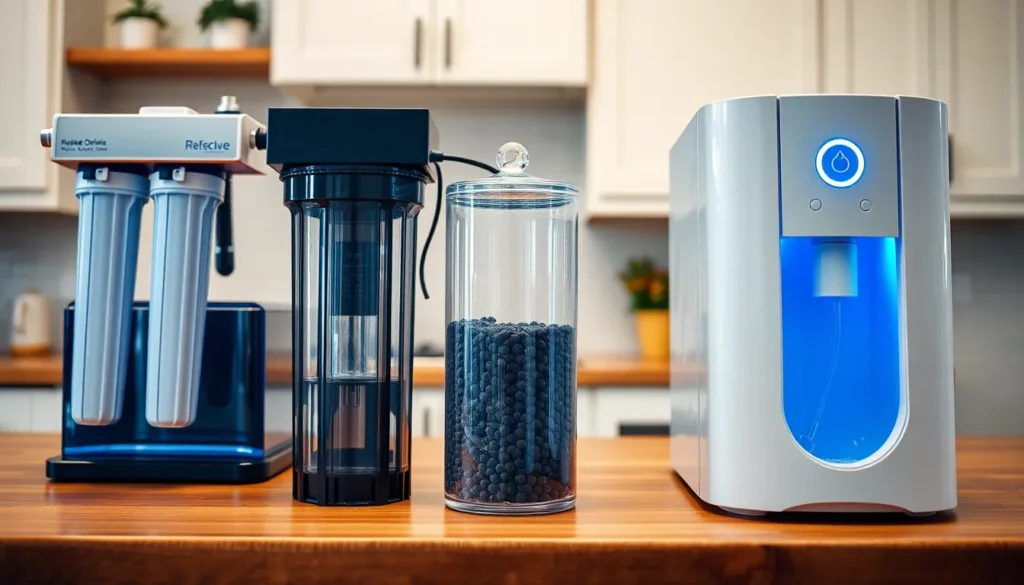
Various water filtration systems effectively remove contaminants from drinking water. Understanding the different types helps in selecting the right option for specific needs.
Reverse Osmosis
Reverse osmosis employs a semipermeable membrane to eliminate impurities such as heavy metals, chlorine, and dissolved solids. This process uses pressure to push water through the membrane, ensuring that only clean water passes through. Systems equipped with reverse osmosis can remove up to 99% of total dissolved solids. Regular maintenance, including replacing the membrane at recommended intervals, ensures optimal performance. Many households favor reverse osmosis for its efficiency in producing high-quality drinking water.
Activated Carbon Filters
Activated carbon filters function through adsorption, capturing chlorine, volatile organic compounds, and other impurities. These filters typically consist of granulated or block carbon, which attracts and holds contaminants. They effectively improve taste and reduce odors, making water more enjoyable to drink. Regular replacement of the carbon filter is essential to maintain maximum effectiveness. Households often use activated carbon filters due to their affordability and simplicity in installation.
UV Water Purification
UV water purification utilizes ultraviolet light to kill harmful bacteria, viruses, and protozoa without introducing chemicals. This method works by exposing water to UV light, which disrupts the DNA of pathogens. Systems can treat water quickly, providing immediate access to purified drinking water. Maintenance involves ensuring the UV lamp is operational and replacing it every 12 months for continued effectiveness. Many homeowners value this method for its efficiency and safety in effectively disinfecting water.
Benefits Of Water Filtration
Water filtration provides numerous advantages for both health and the environment. By ensuring access to clean water, these systems become essential for households aiming to improve their well-being and reduce environmental impact.
Health Advantages
Accessing clean water through filtration significantly reduces exposure to harmful contaminants. Filtration systems effectively remove heavy metals, chlorine, and bacteria, which are commonly found in tap water. Many users report improvements in health markers and overall wellness after switching to filtered water. Utilizing activated carbon filters or reverse osmosis ensures that these impurities are minimized. Safe drinking water directly results in better hydration and aids in digestion. Ultimately, improved water quality contributes to long-term health benefits and mitigates the risk of waterborne illnesses.
Environmental Impact
Water filtration systems play an important role in promoting environmental sustainability. By reducing reliance on bottled water, these systems help decrease plastic waste in landfills and oceans. Households using filtration reduce the carbon footprint associated with producing and transporting bottled water. Furthermore, efficient filtration processes minimize energy consumption compared to distillation. Investing in local filtration solutions encourages responsible water usage while preserving natural resources. Sustainable practices drive a collective movement towards cleaner environments and protect ecosystems for future generations.
Considerations When Choosing A Water Filter
Selecting a water filter involves several important factors to ensure proper filtration and consumer satisfaction. Key considerations include cost and maintenance requirements.
Cost Factors
Prices for water filters vary significantly based on the technology and brand. Basic activated carbon filters can start at $20, while complex reverse osmosis systems may exceed $500. It’s crucial to evaluate the long-term expenses associated with each system, including replacement filters and cartridges. Providers often suggest considering initial installation fees, which can influence the overall budget. Investing in higher-priced systems can lead to better quality, but affordability remains a critical factor for many households.
Maintenance Requirements
Different water filtration systems come with unique maintenance needs. Activated carbon filters typically require replacement every 6 to 12 months, depending on usage. Reverse osmosis systems necessitate more frequent checks, potentially every 2 to 3 years for membrane replacement. UV systems need lamp replacements approximately once a year to ensure effective pathogen elimination. Regular maintenance allows systems to operate efficiently and safely. Awareness of specific maintenance requirements assists users in avoiding reduced water quality and costly repairs.
Investing in a water filtration system is a proactive step towards ensuring safe drinking water. With the variety of options available he or she can find a system that suits their needs and budget. The benefits extend beyond personal health to environmental sustainability. By reducing reliance on bottled water they contribute to a cleaner planet and support responsible resource management.
Regular maintenance and testing are crucial for optimal performance. As awareness grows about the hidden dangers in tap water more households are prioritizing clean water solutions. This trend not only promotes individual health but also encourages a collective responsibility towards protecting natural resources for future generations.