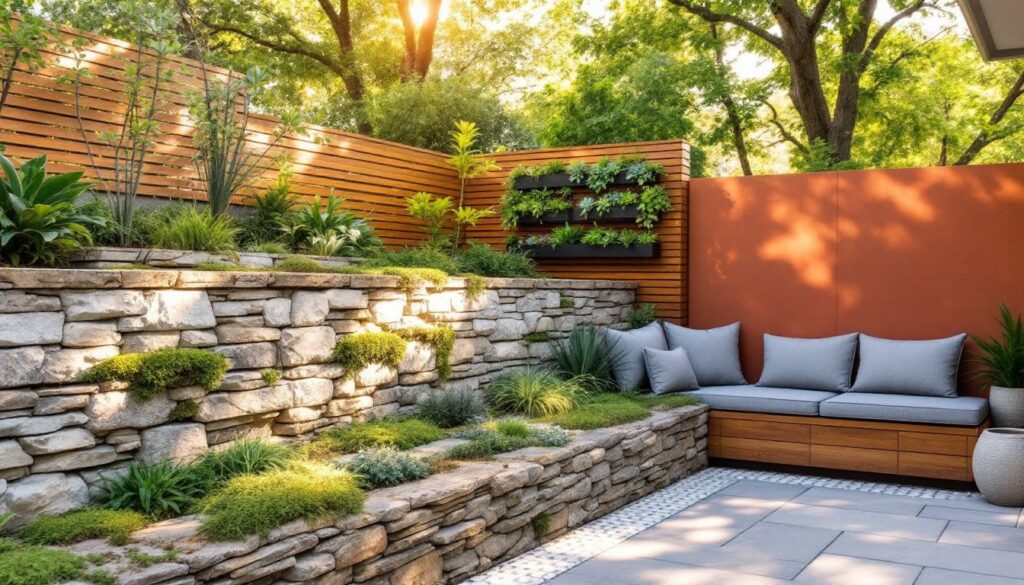
Backyard walls do more than mark property lines, they shape how a space feels, functions, and flows. Whether it’s screening out nosy neighbors, taming a slope, or creating distinct zones for dining and lounging, the right wall turns a flat yard into a layered landscape. In 2026, homeowners are moving beyond the basic six-foot privacy fence and exploring walls that blend structure with style. From natural stone to living greenery, these ideas offer solutions for every budget, skill level, and aesthetic preference.
Table of Contents
ToggleKey Takeaways
- Backyard wall ideas go beyond privacy to define outdoor rooms, block noise, and add significant curb appeal and resale value to your property.
- Natural stone walls deliver timeless elegance and age gracefully, with costs ranging from $15–$30 per square foot installed, while DIY is feasible for low garden walls.
- Vertical garden walls maximize tight urban spaces with modular systems and automated drip irrigation, transforming stark fences into lush, space-saving greenery.
- Wood remains the most DIY-friendly backyard wall option, costing $1–$3 per linear foot for pressure-treated pine with simple construction using basic tools and concrete footings.
- Painted accent walls bring bold color and pattern to existing structures without major construction, instantly anchoring outdoor living areas and defining patio zones.
- Multi-functional walls with built-in seating, storage, and planters maximize small lots by reducing clutter and integrating practical solutions directly into the wall structure.
Why Backyard Walls Are Essential for Privacy and Style
Privacy ranks high for most homeowners, but backyard walls deliver much more than seclusion. They define outdoor rooms, block wind, dampen street noise, and provide a backdrop for plantings or outdoor art. In tight urban lots, a well-placed wall can make a narrow yard feel like a private courtyard.
Walls also solve practical problems. Retaining walls hold back soil on sloped properties, preventing erosion and creating usable terraces. Freestanding walls anchor outdoor entertaining spaces by establishing boundaries without the bulk of a full fence. And unlike chain-link or wire, solid walls add legitimate curb appeal and resale value.
Before breaking ground, check local codes. Many municipalities limit wall height without a permit, typically six feet for freestanding walls and four feet for walls near property lines or sidewalks. Retaining walls over four feet often require engineered plans and permits, especially if they’re load-bearing. If the wall ties into an existing structure or impacts drainage, bring in a structural engineer or licensed contractor.
Natural Stone Walls for Timeless Elegance
Natural stone delivers a permanence and texture that few materials can match. Dry-stacked fieldstone, mortared limestone, or cut granite all age gracefully, picking up moss and weathering into the landscape. Stone walls work especially well in rustic, cottage, or Mediterranean-style yards.
Materials and methods: Fieldstone and river rock suit informal, dry-stacked walls up to about three feet. For taller or load-bearing walls, use cut stone with mortar and a poured concrete footing. Expect to dig a footing trench at least 12 inches deep and below the frost line in cold climates. Stone is heavy, plan on renting a plate compactor for the base and a two-wheeler for moving rock.
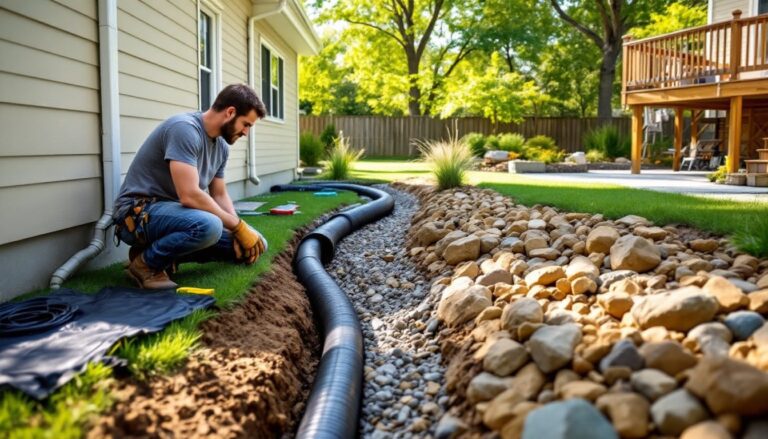
Cost and labor: Natural stone runs $15–$30 per square foot installed, depending on stone type and regional availability. DIY is possible for low garden walls, but mortared walls over three feet are best left to masons. Structural retaining walls always require proper drainage, install a perforated drain pipe behind the wall and backfill with gravel to prevent hydrostatic pressure from pushing the wall over.
According to garden design experts, low stone pony walls create elegant garden borders while doubling as casual seating. Pair stone with creeping thyme or sedum planted in the crevices for a lived-in look.
Modern Vertical Garden Walls
Vertical garden walls, also called living walls or green walls, pack serious visual impact into tight spaces. They’re ideal for urban yards, patios, or anywhere you want greenery without sacrificing square footage. A vertical wall can soften a stark fence, cool a sunny wall, or hide utilities.
System types: Modular panel systems with built-in pockets or trays are the easiest for DIYers. Mount panels to a fence, pergola post, or freestanding frame, fill with potting mix, and plant with succulents, herbs, or trailing annuals. For larger installations, consider a felt-pocket system or a trellis with climbing vines like star jasmine or clematis.
Irrigation is key: Hand-watering a wall gets old fast. Install a drip irrigation line or soaker hose along the top edge, with emitters feeding each pocket. Use a timer to automate watering, most systems need 10–15 minutes daily in warm months. If the wall is against a building, add a moisture barrier to protect siding or stucco.
Plant selection: Choose plants suited to the wall’s sun exposure. Shade walls do well with ferns, hostas, and ivy. Full-sun walls thrive with sedums, hens-and-chicks, or culinary herbs like rosemary and thyme. Expect some trial and error, plants will fill in and may need replacing seasonally depending on climate.
Budget-Friendly Wooden Fence Wall Designs
Wood remains the go-to for DIY-friendly, customizable backyard walls. It’s lighter and easier to work with than masonry, and you can tackle most projects with a circular saw, post-hole digger, and a level. Styles range from rustic board-and-batten to sleek horizontal slat designs.
Material choices: Pressure-treated pine is the budget standard, expect to pay $1–$3 per linear foot for 1×6 or 2×6 boards. Cedar and redwood cost two to three times more but resist rot and insects naturally without chemical treatment. For modern looks, consider composite boards that mimic wood grain but won’t warp, split, or need annual staining.
Construction basics: Set 4×4 posts in concrete footings spaced no more than eight feet apart. Dig post holes at least 24 inches deep, or below frost line. Use a string line and level to keep post tops consistent. Attach horizontal rails (2x4s work fine), then face with vertical or horizontal boards. Leave a 1/4-inch gap between boards for drainage and wood movement.
Finishing: Apply a water-repellent stain or sealer within a few weeks of installation. Skip paint unless you’re prepared to scrape and repaint every 3–5 years, stain weathers more gracefully. Homeowners upgrading child-friendly yards often add lattice toppers or rounded post caps to eliminate sharp edges and splinters.
Creative Painted Accent Walls for Outdoor Living Areas
An accent wall brings bold color and pattern to outdoor rooms without major construction. Paint transforms existing fences, stucco retaining walls, or poured concrete into focal points that anchor furniture groupings and define patio spaces.
Surface prep matters: Power-wash the wall and let it dry fully, at least 48 hours in dry weather. Scrape loose paint, patch cracks with exterior filler, and prime bare wood or masonry with a quality exterior primer. Skipping prep is the #1 reason outdoor paint fails early.
Paint selection: Use 100% acrylic exterior paint or masonry paint formulated for concrete and stucco. These paints flex with temperature changes and resist mildew. Flat or satin finishes hide imperfections better than gloss. One gallon covers roughly 350–400 square feet, but porous surfaces like bare wood or stucco may need two coats.
Design ideas: Solid jewel tones, deep navy, terracotta, or charcoal, add drama without overwhelming a small yard. For a playful touch, try a geometric mural, oversized stripes, or a chalkboard panel where kids (or adults) can draw. Stencils designed for exterior use hold up better than indoor versions. Seal murals with a clear exterior topcoat to protect against UV fade.
Safety note: Wear a respirator when spray-painting outdoors, even in open air. Overspray drifts farther than you think.
Multi-Functional Walls With Built-In Storage and Seating
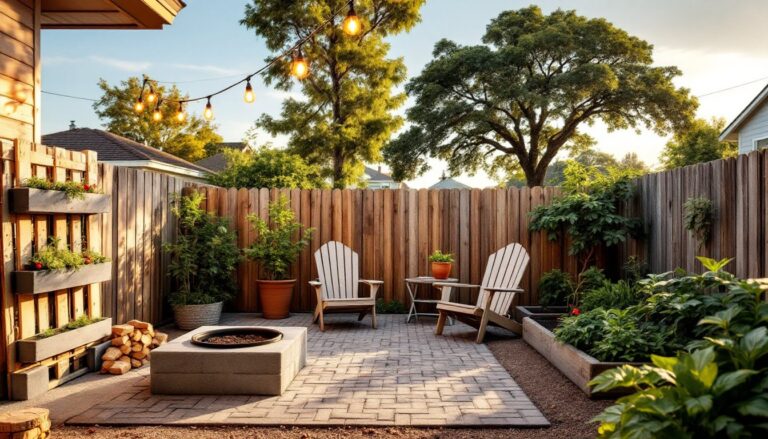
Why stop at privacy when a wall can also hold garden tools, firewood, or built-in benches? Multi-functional walls maximize tight lots and reduce clutter by integrating storage into the structure itself. These designs shine in entertaining-focused backyards where every square foot counts.
Built-in benches: Frame a low wall (18–24 inches tall) with a cap wide enough to sit on, at least 12 inches, ideally 15–18 inches. Use treated 2x12s or composite decking for the cap. Add a hinged seat for hidden storage underneath, perfect for cushions, outdoor toys, or grill accessories. Attach the hinge side to the wall and use a soft-close lid support on the open side to prevent pinched fingers.
Tool and equipment cubbies: Build shallow alcoves into a fence or retaining wall. Frame openings with 2x4s and add hooks, shelves, or pegboard backing. Doors aren’t always necessary, open cubbies work fine for items you grab often, like hoses or hand tools. If storing power equipment, add a locking door and ensure the space has ventilation to prevent moisture buildup.
Integrated planters: Top a retaining wall with a built-in planter box. Frame with 2×6 or 2×8 lumber, line with landscape fabric, and fill with potting mix. This softens the wall visually and lets you grow herbs, succulents, or trailing flowers at eye level. Drill drainage holes every 12 inches along the bottom to prevent root rot.
Permitting: Structural modifications, especially to retaining walls, may require permits. Always verify local codes before adding weight or altering drainage.
Conclusion
Backyard walls shape how outdoor space lives and feels, whether that’s a dry-stacked stone border, a lush vertical garden, or a painted accent wall that pops against greenery. The best choice depends on budget, skill level, and what the yard actually needs. Start with function, layer in style, and don’t skip the unglamorous stuff like footings, drainage, and permits. A well-built wall pays dividends in privacy, usability, and curb appeal for years.