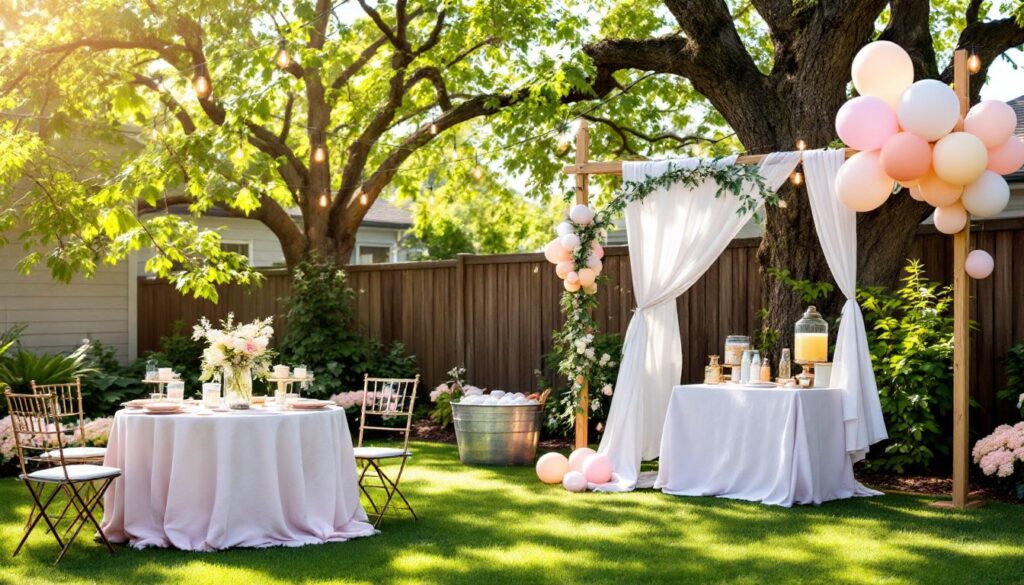
Hosting a baby shower in a backyard offers something an indoor venue can’t match: space, fresh air, and the freedom to create without venue restrictions. Whether it’s a cozy gathering of 15 or a full party of 50, an outdoor setting lets hosts control the layout, decorations, and budget while giving guests room to move and mingle. But pulling off a successful backyard baby shower requires more than hanging streamers and setting out snacks. It demands practical planning, from electrical access for beverage stations to backup plans for surprise rain. This guide walks through the structural and logistical decisions that turn a yard into a celebration space worth remembering.
Table of Contents
ToggleKey Takeaways
- Backyard baby shower ideas save significant venue costs while offering flexible layouts, extended guest capacity, and easier customization compared to indoor rental spaces.
- Plan electrical access and water hookups early—food warmers, beverage stations, and string lights all require power sources rated for outdoor use with proper cable safety covers.
- Define distinct zones by separating the food station from seating by 8–10 feet to reduce congestion and improve guest flow throughout the yard.
- Secure shade structures with sandbags or ground stakes rated for at least 25 lbs per leg, and account for sun position shifts if your event spans multiple hours.
- Create a comprehensive weather contingency plan including tarps, bungee cords, rain-ready canopies with sidewalls, and heat or heating solutions before guests arrive.
- Keep food pest-free and cool with mesh covers, chafing dishes for hot items, and separate beverage stations with drip trays to prevent mud accumulation on grass.
Why Host a Baby Shower in Your Backyard
A backyard shower cuts venue rental costs while offering flexibility that commercial spaces can’t match. Hosts can start setup the day before, adjust the timeline without hourly fees, and accommodate dietary restrictions or special requests without negotiating with a caterer.
Outdoor settings also solve capacity challenges. Indoor venues charge per head or cap attendance: a yard simply needs enough seating and shade. This makes it easier to invite extended family, coworkers, or neighbors without budget creep.
From a practical standpoint, backyards simplify cleanup. Spills on grass beat spills on rented carpet, and guests can move freely without worrying about noise complaints. Plus, natural light works better for photos than fluorescent overheads.
But there are trade-offs. Backyards require weather contingency plans, pest control, and sometimes electrical work to support equipment. If the yard lacks a covered patio or deck, renting a canopy becomes necessary. Still, for hosts willing to handle logistics, a backyard celebration beats a rented hall in cost, control, and character.
Planning Your Backyard Baby Shower Layout
Start by mapping electrical outlets and water access. Food warmers, blenders for smoothie bars, and string lights all need power. If outlets are limited, a heavy-duty outdoor extension cord rated for 15 amps or higher is essential. Run cords along fence lines or under walkways secured with outdoor-rated cable covers to prevent tripping hazards.
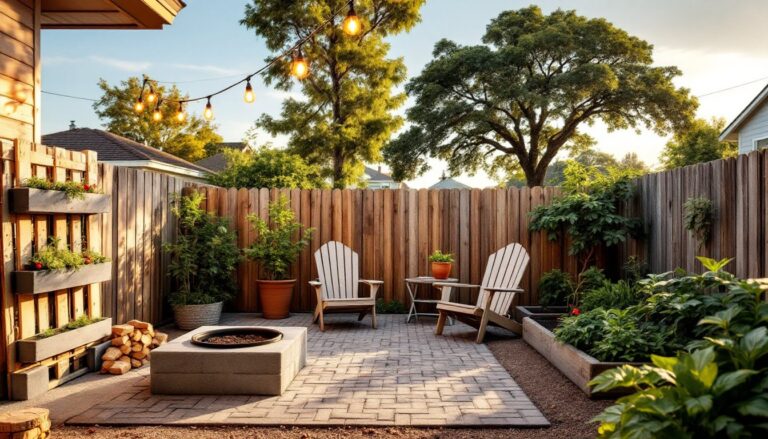
Define zones before placing furniture. Separate the food station from the seating area by at least 8–10 feet to reduce congestion. Guests shouldn’t have to navigate around the gift table to refill a plate. If the yard slopes, place seating on level ground and reserve the incline for decorative elements or photo backdrops.
Consider shade coverage throughout the event window. A party from 2–5 p.m. in July means the sun shifts: what starts in shade may be in full sun by cake time. Pop-up canopies (10×10 feet is standard) work for small groups, but anything over 20 guests benefits from a larger frame tent or multiple canopies linked together. Anchor them properly, sandbags or ground stakes rated for at least 25 lbs per leg, to handle wind gusts.
For backyard design ideas for entertaining, mark pathways with solar stakes or LED rope lights if the shower extends into dusk. Guests carrying gifts or plates need clear routes, especially if the yard has uneven pavers or garden beds.
Creative Decoration Ideas for an Outdoor Baby Shower
Outdoor decorations need to withstand wind and sun without looking like a construction site. Skip lightweight paper banners unless they’re secured with zip ties or outdoor Command hooks: a gust will send them into the neighbor’s yard.
String lights do double duty as decor and functional lighting. Edison bulb strands or café lights strung between posts or tree branches create ambiance without requiring a decorator’s touch. Use screw-in hooks rated for outdoor use on fence posts or deck beams, and avoid overloading a single circuit, most strings pull 0.5–1 amp per 25-foot strand.
For table centerpieces, choose low-profile arrangements that won’t topple. Mason jars filled with wildflowers and weighted with river stones or sand hold up better than tall vases. Battery-powered LED votives beat real candles in wind and eliminate fire risk around fabric tablecloths.
Photo backdrops work well against a fence or garage wall. A 6×8-foot frame made from 1×2 furring strips and draped with fabric, streamers, or greenery garlands gives guests a dedicated selfie spot. Anchor the frame with L-brackets screwed into the fence or weighted with sandbags if it’s freestanding. According to Better Homes & Gardens, DIY balloon arches and greenery walls are popular choices that photograph well and suit outdoor settings.
Avoid helium balloons outdoors unless tethered to weighted bases of at least 5 lbs each. Mylar balloons are especially prone to flying off, and latex balloons deflate faster in heat.
Food and Beverage Stations That Wow
Outdoor food stations need to stay cool and pest-free. A folding table under a canopy works, but add mesh food covers or clear acrylic domes to keep flies off platters. For hot items, chafing dishes with Sternos maintain temperature without needing an outlet, though they require a level surface and should never sit directly on vinyl tablecloths.
Beverage stations benefit from drink dispensers with spigots (2–3 gallon capacity) for lemonade, iced tea, or flavored water. Place them on a separate side table with a drip tray underneath, wet grass from spills turns into mud fast. If serving alcohol, a galvanized tub filled with ice keeps bottles and cans cold for hours. Add a drainage hole near the bottom or plan to empty it mid-event.
For a smoothie or mocktail bar, use a blender rated for outdoor use (check the cord length) and prep ingredients in advance. Pre-portioned freezer bags with fruit, spinach, and yogurt let guests customize drinks without a mess. Keep perishables in a cooler with ice packs until it’s time to blend.
Consider creating backyard patio entertaining setups that keep food accessible but not in direct sun. Even covered dishes heat up fast on a 90°F day: swap platters every 30–45 minutes if the event runs long. Label allergens clearly, use chalkboard tent cards or printed signs to note dairy-free, nut-free, or gluten-free options.
Weather-Proofing Your Backyard Celebration
Check the extended forecast a week out and have a rain plan that doesn’t rely on good luck. A 10×20-foot canopy covers a buffet table and seating for 12–16, but anything larger needs a frame tent or multiple canopies with sidewalls. Sidewalls aren’t just for rain, they block wind and provide shade as the sun shifts.
For sudden downpours, tarps and bungee cords can protect gift tables or DJ equipment in a pinch. Keep a roll of contractor-grade tarps (at least 6 mil thickness) and a bag of heavy-duty bungees in the garage. Anchor points matter: a tarp flapping in wind does more harm than good.
Heat management is just as critical as rain prep. On 85°F+ days, provide shaded seating and portable fans. Battery-powered or USB fans work if outlets are scarce, but a 20-inch box fan on an extension cord moves serious air. Misting systems are an option but require a hose hookup and pressure-rated nozzles: cheap misters clog or drip.
If temperatures drop in the evening, a propane patio heater (rated at 40,000 BTUs) warms a 15-foot radius. Keep them away from canopy fabric and never use them under fully enclosed tents, carbon monoxide is a real risk.
Insects ruin outdoor events fast. Set up citronella torches or tiki torches around the perimeter (keep them at least 6 feet from guests and fabric), and provide bug spray in a basket near the entrance. For serious mosquito pressure, consider a propane mosquito trap set up the day before, it takes 24–48 hours to reduce populations noticeably. HGTV recommends strategic lighting and fans to help keep flying insects at bay during outdoor celebrations.
Entertainment and Activities for Guests
Plan activities that don’t require a power strip or perfect weather. Classic baby shower games, diaper raffles, baby bingo, or guess-the-baby-food, work outdoors with minimal setup. Print game sheets on cardstock instead of standard printer paper: it holds up better if a drink spills.
Photo stations keep guests engaged without requiring a host to run the activity. A Polaroid or Instax camera with a guestbook lets attendees snap pictures and leave messages. Set up a small table with markers, washi tape, and a scrapbook under the canopy to keep paper dry.
For a more interactive setup, lawn games double as entertainment and decor. Giant Jenga, cornhole, or ring toss work for mixed-age crowds and don’t need instruction sheets. If the yard has space, a 10×10-foot area cleared of decorations gives guests room to play without knocking over centerpieces.
Music sets the tone but needs the right equipment. A Bluetooth speaker rated for at least 20 watts provides enough volume for a 30-person gathering without distortion. Place it on a stable surface away from the food table, and keep it under cover, most aren’t fully waterproof even though marketing claims. Create a playlist in advance: fumbling with a phone mid-event kills momentum.
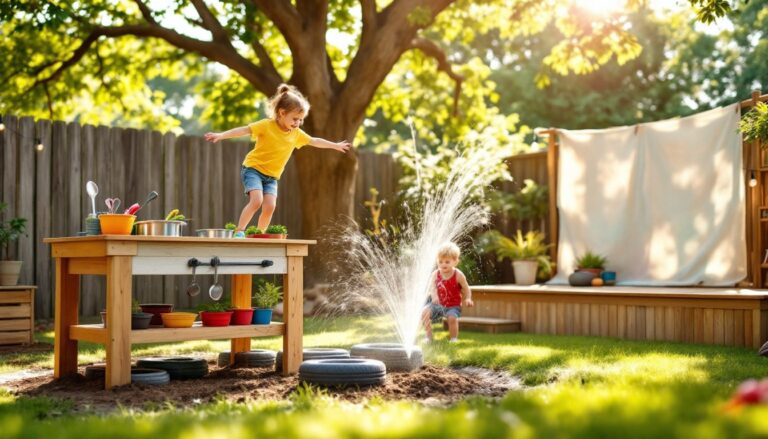
If the shower includes kids, designate a child-friendly backyard zone with activities like bubble machines, sidewalk chalk, or a small inflatable pool (if it’s warm enough). Keep it visible from the main seating area so parents can supervise without leaving the party. For added inspiration on hosting versatile outdoor gatherings, The Spruce offers guides on adapting spaces for different events and age groups.
Conclusion
A successful backyard baby shower comes down to prep work and realistic planning. Map out power sources, secure shade structures properly, and have a weather backup that doesn’t involve panic-texting guests. With the right layout, practical decorations, and a solid contingency plan, a yard transforms into a celebration space that beats any rented venue, without the deposit or time restrictions.