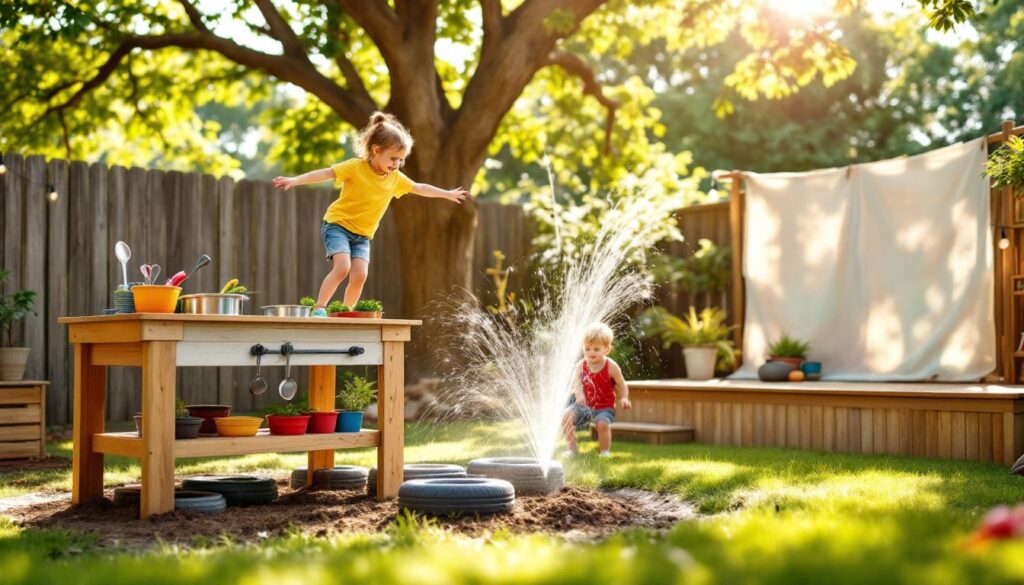
A backyard shouldn’t sit empty while kids stare at screens indoors. With a few strategic projects, any yard, big or small, can become a place where children actually want to spend time. The projects below don’t require construction permits or major overhauls. They use standard materials, basic carpentry, and a dose of creativity to turn outdoor space into zones for active play, imaginative exploration, and seasonal fun. Most can be completed over a weekend with common tools and lumber yard supplies.
Table of Contents
ToggleKey Takeaways
- Fun backyard ideas for kids range from DIY obstacle courses and mud kitchens to water play areas, all achievable in a weekend using basic materials and simple carpentry.
- Building custom obstacles with proper safety features—including 6-inch playground mulch depth, sturdy 4×4 posts set 30 inches deep, and adult weight testing—keeps kids protected while active.
- Sensory play stations like nature exploration areas and outdoor kitchens boost creative thinking and fine motor skills while encouraging kids to spend more time outdoors.
- Low-maintenance water features such as DIY splash pads and water walls provide cooling summer fun without requiring pools or building permits.
- Creating diverse backyard zones—from high-energy performance areas and obstacle courses to quiet reading nooks and hammock retreats—keeps different ages and moods engaged year-round.
- Simple projects like backyard stages with string lights and cozy outdoor reading nooks transform yards into dual-purpose spaces for kids’ entertainment and family gatherings.
Create a Custom DIY Obstacle Course
An obstacle course gives kids a physical challenge that changes as they grow. Start with pressure-treated 4x4s or landscape timbers anchored with rebar stakes driven 18–24 inches into the ground for balance beams. Space them at varying heights, 6 inches for toddlers, 12 inches for older kids.
Add a tire run using old tires half-buried vertically in a zigzag pattern. Drill drainage holes in the bottom to prevent mosquito breeding. For climbing elements, bolt together a simple A-frame from 2×4 lumber with rope or climbing holds screwed into pre-drilled pilot holes. Use galvanized lag bolts (at least 3 inches) and check connections quarterly.
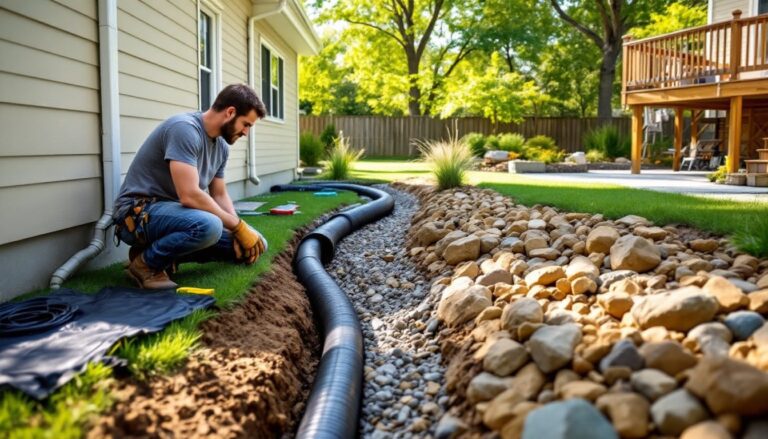
Include a crawl tunnel made from large-diameter corrugated drainage pipe (24–36 inches) or repurposed barrels with ends removed and edges filed smooth. Secure with landscape fabric underneath to prevent weed growth. Finish with a rope swing or climbing rope hung from a sturdy tree limb or a standalone 4×4 post set in concrete at least 30 inches deep. Always verify the branch diameter is at least 8 inches and free of cracks.
Safety note: Spread playground mulch or rubber mulch (minimum 6-inch depth) under all climbing or jumping zones to meet ASTM F1292 impact attenuation standards. Test structural elements with adult weight before letting kids use them.
Build a Magical Outdoor Play Kitchen or Mud Kitchen
A mud kitchen turns dirt and water into hours of imaginative play. Build the frame from 2x4s forming a simple table structure 24–30 inches tall for younger kids. Attach a work surface using a scrap piece of exterior-grade plywood (½-inch minimum) sealed with exterior polyurethane or leftover deck stain.
Mount an old stainless steel sink (check Habitat ReStores or salvage yards) into a routed opening, or use large plastic tubs set into cutouts. Add open shelving below with 1×6 or 1×8 pine boards for storage bins. Screw in hooks along the back rail for hanging utensils, old ladles, whisks, and metal bowls from thrift stores work perfectly.
Include a “stovetop” by painting burner circles with exterior paint onto the work surface, or mount metal trivets. Kids can store mud pies, rocks, and leaves in labeled containers. Position the kitchen near a child-friendly backyard water source like a hose bib for easy cleanup. Studies on outdoor play from Better Homes & Gardens show that sensory play stations increase creative thinking and fine motor skills.
PPE reminder: Wear work gloves when handling reclaimed materials, and sand all cut edges smooth to prevent splinters.
Design a Nature Exploration Station
A nature station organizes outdoor discovery without hauling gear in and out of the house. Start with a weatherproof storage solution, a deck box works, or build a simple hutch from cedar or pressure-treated pine. Cedar naturally resists rot and doesn’t require chemical treatment.
Stock it with real tools: magnifying glasses, bug containers with ventilation holes, field guides (laminate pages or use waterproof versions), specimen jars, and a small notebook in a ziplock bag for sketching finds. Add a cork board or pegboard panel mounted to a fence or post where kids can pin leaves, bark rubbings, or photos.
Include a low potting bench or table (same 2×4 framing approach as the mud kitchen) where kids can examine collections. Incorporate small containers or a segmented tray for sorting rocks, acorns, feathers, and seeds. Landscape designers at Gardenista recommend planting a dedicated “exploration garden” nearby with pollinator-friendly natives, kids can observe bees, butterflies, and other insects up close.
Label plant varieties with wooden stakes and waterproof markers so children learn to identify species. Safety warning: Teach kids to never touch unknown plants or insects without adult guidance, and always wash hands after outdoor exploration.
Install a Water Play Area for Hot Summer Days
Water play doesn’t require an in-ground pool or hefty permit process. A DIY splash pad can be as simple as a soaker hose coiled in a spiral on the lawn, attached to a garden hose with a timer valve for water conservation. Elevate it slightly with tent stakes to create arcing sprays.
For something more structured, build a water wall using recycled materials. Mount a sheet of plywood or pallet wood vertically on a fence or freestanding frame. Attach funnels, PVC pipe sections, gutters, and plastic bottles (cut and edges sanded) at angles using deck screws and zip ties. Kids pour water at the top and watch it cascade through the maze.
Add a shallow sand-and-water table using a large plastic storage tub or a wooden frame with a pond liner stapled inside. Keep depth under 6 inches for safety. Position on level ground and ensure adult supervision at all times. Home improvement guides at Hunker note that adding a backyard entertaining element with water features increases both kid engagement and property appeal.
Safety critical: Empty all water containers after use to eliminate drowning hazards. Install a ground fault circuit interrupter (GFCI) outlet if using electric pumps, per NEC Article 210.8.
Construct a DIY Backyard Stage or Performance Area
A simple stage platform gives kids a designated performance zone for plays, talent shows, or backyard concerts. Build a low-profile deck-style platform using 2×6 pressure-treated joists spaced 16 inches on center, topped with 5/4×6 deck boards. Keep the height modest, 8 to 12 inches, so no railing is required and falls stay minor.
Frame it as a simple rectangle (6×8 feet is a good size) with joist hangers securing the perimeter. Fasten deck boards with 2½-inch coated deck screws, leaving 1/8-inch gaps for drainage. Set the frame on compacted gravel or concrete blocks for stability and drainage.
Add a backdrop using a tension rod or garden trellis behind the platform where kids can clip fabric, painted cardboard, or bed sheets. String outdoor string lights (LED for safety and energy efficiency) along the perimeter. Mount a small battery-powered speaker on a post for music.
For seating, arrange repurposed cinder blocks topped with 2×10 lumber benches. Paint with exterior primer and paint for weather protection. Incorporating entertaining backyard designs can make the space dual-purpose for both kid performances and adult gatherings.
Set Up Cozy Reading Nooks and Quiet Zones
Not every backyard moment needs to be high-energy. A quiet reading nook offers a retreat for downtime. Hang a hammock between two trees (minimum 12-inch trunk diameter) using tree straps rated for at least 400 pounds. Never use rope or chain directly around bark, it damages the cambium layer.
Alternatively, build a simple A-frame tent or teepee using 8-foot 1×2 furring strips lashed together at the top with jute twine or paracord. Drape with outdoor fabric, canvas drop cloths, or an old sheet. Weight the bottom edges with landscape stones.
Add weatherproof outdoor cushions or a folded outdoor rug for seating. Store books in a waterproof bin nearby, or build a small Little Free Library box from cedar fence pickets. Include a solar-powered LED lantern for evening reading.
Position the nook under existing tree shade or install a shade sail using eye bolts lagged into posts or fascia boards (verify blocking or solid framing behind siding). Tension the fabric to a 20-degree angle so rain runs off. Placing quiet zones near patio backyard areas allows parents to supervise while relaxing nearby.
Safety tip: Inspect tree straps and fabric anchors monthly for wear, especially after storms.
Conclusion
These projects turn a yard into a space kids gravitate toward instead of away from. Most require only weekend effort, basic carpentry skills, and materials available at any home center. Focus on variety, active zones, creative play, and quiet corners, so different moods and ages find something engaging. The investment pays off in outdoor time, physical activity, and memories made in the fresh air.