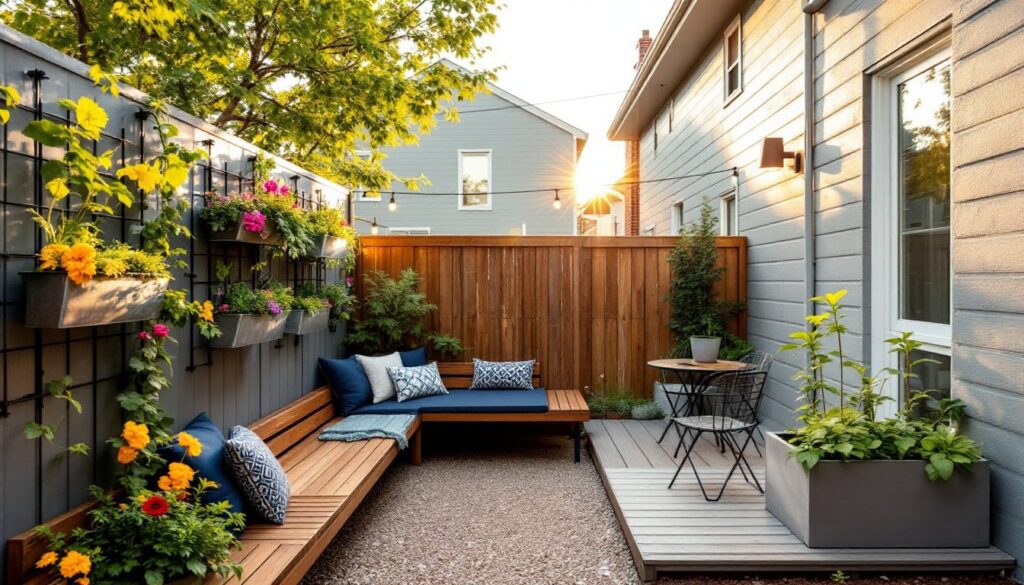
A cramped backyard doesn’t mean compromising on outdoor living. Whether you’re dealing with a narrow urban lot or a postage-stamp patio, smart design can transform even the tightest space into a functional, inviting retreat. The trick is thinking vertically, choosing multi-purpose elements, and using visual strategies that make boundaries feel less confining. From living walls to zone-defining hardscaping, these 15 ideas help homeowners squeeze every bit of usability and charm from small outdoor footprints without major renovation budgets or professional installation.
Table of Contents
ToggleKey Takeaways
- Tiny backyard ideas prioritize vertical gardening and multi-functional furniture to maximize limited space without requiring major renovations or professional help.
- Breaking your yard into distinct zones using pavers, raised beds, and plantings creates the illusion of a larger space while giving each area clear purpose.
- Strategic use of mirrors, layered lighting, and light color palettes visually expands small backyards and extends outdoor living hours.
- Low-maintenance native plants like perennials, ornamental grasses, and ground covers reduce upkeep while delivering year-round visual interest in compact yards.
- Built-in seating and wall-mounted drop-leaf tables eliminate the footprint of traditional furniture, freeing up walkway space for entertaining or play.
Why Small Backyards Are a Design Opportunity, Not a Limitation
Small backyards force intentionality. Every square foot earns its keep, which means less wasted lawn to mow and fewer sprawling, underused areas. Tight spaces push homeowners to think creatively about layering function, selecting compact materials, and editing out clutter.
From a practical standpoint, smaller yards cost less to fence, irrigate, and furnish. A 10 × 15-foot patio can host a dining set, planter boxes, and ambient lighting for a fraction of what a sprawling deck requires. Material waste drops, project timelines shrink, and maintenance becomes manageable for weekenders.
The key shift: treat the yard as a curated outdoor room rather than a miniature lawn. Define its purpose, dining, lounging, gardening, play, and build around that core function. When space is limited, clarity beats versatility.
Vertical Gardening and Living Walls for Maximum Greenery
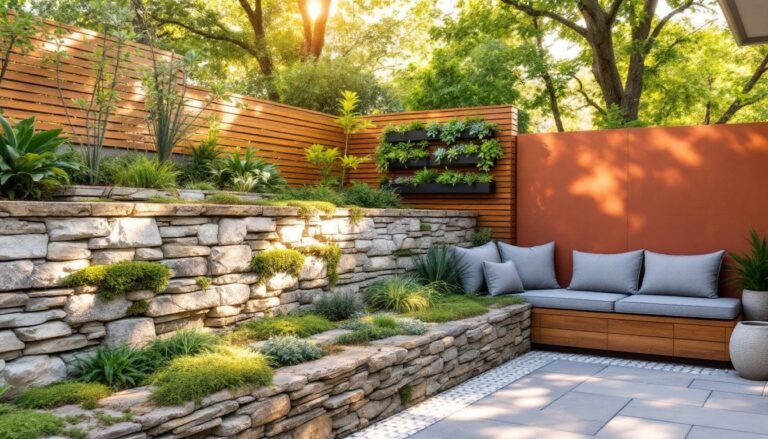
Vertical growing reclaims wall and fence real estate, turning unused surfaces into productive or ornamental gardens. Modular wall planters, trellis systems, and stackable pots let homeowners grow herbs, succulents, ferns, or even compact vegetables without sacrificing floor space.
For DIY installation, mount galvanized steel or cedar planters directly to fence posts using exterior-grade screws and washers. Ensure the fence structure can handle added weight, a 2 × 4-inch pressure-treated rail backing helps distribute load. If the fence is older or lightweight vinyl, free-standing trellis frames or A-frame ladder planters work better.
Living wall systems (felt-pocket panels or modular grids) require drip irrigation or hand watering. Route a 1/4-inch drip line along the top edge with emitters spaced every 6–8 inches, connected to a battery-powered timer. This keeps soil moist without daily intervention. Choose plants with similar water needs, mixing drought-tolerant sedums with moisture-loving ferns causes uneven growth.
Climbing vines like clematis, jasmine, or pole beans add vertical interest fast. String galvanized wire or jute twine between eye hooks for support. For edibles, pole beans and cherry tomatoes thrive in 5-gallon fabric grow bags hung from sturdy hooks rated for 50 pounds or more.
Safety note: Wear gloves and safety glasses when drilling into masonry or cutting wire. If mounting to brick, use a masonry bit and plastic anchors rated for outdoor use.
Multi-Functional Furniture and Built-In Seating Solutions
Furniture that doubles as storage or converts between uses maximizes utility without crowding the footprint. Deck boxes serve as both seating benches and weatherproof storage for cushions, toys, or tools. Look for models with gas-lift hinges and weight capacities around 500 pounds for adult seating.
Built-in benches along fence lines or planter edges deliver permanent seating without the footprint of freestanding chairs. Frame with 2 × 4-inch pressure-treated lumber on 16-inch centers, topped with 2 × 6-inch or 2 × 8-inch decking boards. Add hinged lids for hidden storage underneath. Seal with exterior-grade polyurethane or solid stain for longevity.
Folding bistro sets, stackable resin chairs, and nesting side tables collapse when not in use, freeing up space for kids’ play or weekend projects. Opt for powder-coated steel or all-weather wicker that won’t degrade in sun and rain.
For entertaining backyard designs that need flexible seating, modular outdoor sectionals rearrange into different layouts. Choose pieces with removable, washable covers and UV-resistant foam cores rated for outdoor use.
Another smart move: wall-mounted drop-leaf tables. Hinge a 24 × 36-inch surface to a fence or exterior wall using heavy-duty strap hinges and a fold-down leg. When not in use, it folds flat, reclaiming walkway space.
Creating Zones with Strategic Landscaping and Hardscaping
Breaking a small yard into distinct zones, dining, lounging, gardening, adds structure and makes the space feel larger by giving each area a clear identity. Use changes in surface material, elevation, or plantings to mark boundaries without solid walls.
Pavers, gravel, and decking define zones visually. A 6 × 8-foot gravel pad edged with steel or aluminum landscape edging creates a fire pit area, while a composite deck section signals dining space. Mixing materials prevents the yard from reading as a single, cramped box.
Low raised beds (8–12 inches high) made from composite lumber, cedar, or corrugated steel separate planting zones from hardscape. They also improve drainage and soil quality. Standard bed depths run 10–12 inches for annuals and vegetables, 18 inches for root crops like carrots or potatoes.
For a slight elevation change, build a single step up (around 6–7 inches) using concrete pavers or pressure-treated 6 × 6 timbers. This subtle grade shift creates the illusion of separate rooms. Ensure any step meets local building codes for rise and run: typically, a 7-inch rise with an 11-inch tread is code-compliant for residential exteriors, but check your jurisdiction.
Plantings as dividers: Ornamental grasses, boxwood hedges, or dwarf evergreens in a line provide soft separation. Space 12–18 inches apart for a continuous hedge effect within two seasons. Research on small garden design shows that layered zones increase perceived square footage.
Pathways matter. A 2-foot-wide gravel or mulch path guides movement and reinforces zone edges. Use landscape fabric underneath to suppress weeds, topped with 2–3 inches of crushed granite or hardwood mulch.
Optical Illusions: Using Mirrors, Lighting, and Color to Expand Your Space
Strategic visual tricks make tight yards feel more expansive. Outdoor mirrors, angled to reflect greenery or sky, create the illusion of depth. Mount weatherproof acrylic or polycarbonate mirrors (not glass, it’s heavy and breaks) to fences using galvanized Z-clips or exterior construction adhesive. Position mirrors to bounce light and views, not direct sun, which can create blinding glare or even fire hazards with focused reflection.
Lighting layers extend usable hours and add dimension. Combine path lights (low-voltage LED, 3–5 watts per fixture), uplighting on trees or architectural features, and string lights overhead. A mix of heights draws the eye around the space rather than stopping at a single plane. Run low-voltage lighting on a 12- or 24-volt transformer with a photocell or timer. Bury cable 6 inches deep in conduit if crossing walkways to meet NEC guidelines.
Color strategy: Light, cool tones (soft grays, pale blues, whites) recede visually, making walls and fences feel farther away. Paint a back fence a lighter shade than side fences to push it back optically. Conversely, warm, saturated colors (terracotta, deep greens) advance, useful for drawing attention to focal plantings or seating areas.
Many small space living ideas suggest using a single bold accent wall or feature to anchor the design without overwhelming. In a yard, that might be a brightly painted shed door, a vibrant mural, or a textured stone accent wall.
Reflective surfaces: Polished metal planters, glass tile mosaics, or water features bounce light and add sparkle. A small tabletop fountain or wall-mounted water feature introduces movement and sound, distracting from tight boundaries.
Low-Maintenance Plant Choices for Compact Yards
Small yards demand plants that deliver visual impact without constant care. Native perennials, ornamental grasses, and dwarf shrubs thrive with minimal water, fertilizer, and pruning once established.
Perennials: Black-eyed Susans, coneflowers, sedums, and hostas return year after year. They tolerate a range of soil conditions and require watering only during dry spells after the first season. Space according to mature spread, 12–18 inches for most perennials, to avoid overcrowding.
Ornamental grasses: Feather reed grass, blue fescue, and fountain grass add texture and movement. They’re drought-tolerant after establishment and need one annual cut-back in late winter. Use a hedge trimmer or hand pruners to trim to 4–6 inches above the crown.
Dwarf shrubs: Compact varieties like dwarf spirea, boxwood, or barberry fit tight spaces without overwhelming. Prune lightly after bloom to maintain shape. Avoid fast-growing, sprawling shrubs like forsythia or butterfly bush in small yards, they’ll crowd everything within two seasons.
Ground covers: Creeping thyme, sedum, or ajuga replace lawn in shady or awkward spots. They suppress weeds, require no mowing, and handle foot traffic better than grass. Plant plugs on 6-inch centers for coverage within one season.
For those considering child-friendly backyard setups, skip thorny or toxic plants like barberry, yew, or oleander near play areas. Choose non-toxic options like marigolds, sunflowers, or nasturtiums.
Container gardening suits small yards perfectly. Use large pots (14–20 inches in diameter) for better moisture retention and root space. Choose lightweight resin or fiberglass over ceramic to make moving pots easier. Mix a quality potting mix (not garden soil) with slow-release granular fertilizer at planting. Water when the top inch of soil feels dry.
Tips from home improvement experts emphasize selecting regionally appropriate plants to cut water use and pest issues. Check USDA hardiness zones and local extension service recommendations before buying.
Mulch around plantings with 2–3 inches of shredded hardwood or pine bark to conserve moisture and suppress weeds. Keep mulch 2 inches away from plant stems to prevent rot.
Conclusion
Maximizing a tiny backyard comes down to intentional choices: vertical growing, multi-use furniture, zone definition, visual expansion, and low-maintenance plantings. Each square foot can work harder when design prioritizes function over filler. Start with one or two high-impact changes, a living wall, built-in bench, or strategic lighting, and layer from there. Small doesn’t mean settling.