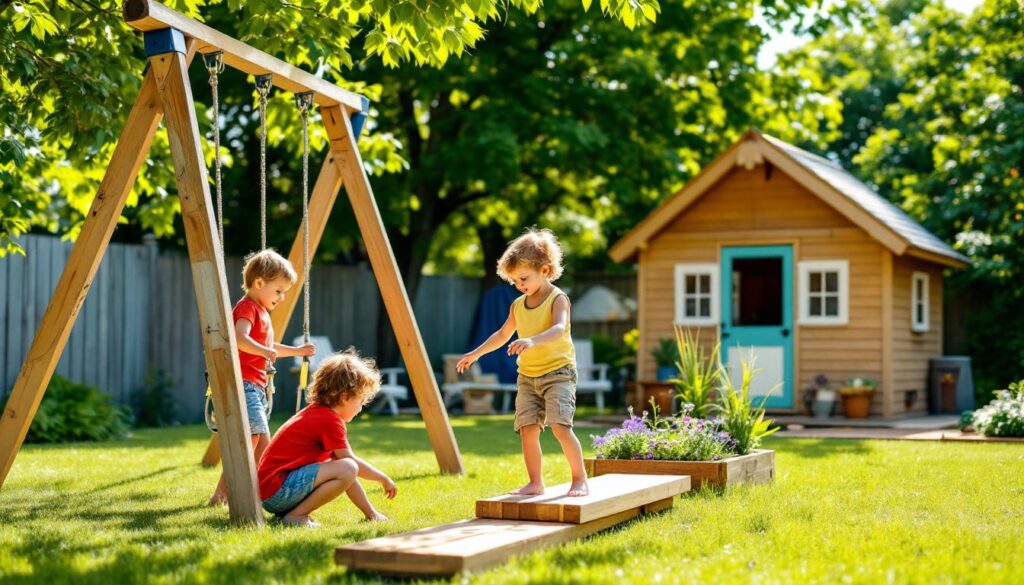
Every homeowner with kids faces the same challenge: how to turn a patch of grass into a space that keeps children active, engaged, and off screens. A thoughtfully designed backyard becomes more than just a lawn, it’s a laboratory for building skills, burning energy, and creating memories. Whether working with a quarter-acre lot or a compact urban yard, the right combination of play zones, DIY features, and flexible spaces can deliver years of use as kids grow.
Table of Contents
ToggleKey Takeaways
- Kids backyard ideas thrive when combining active play zones, creative spaces, and sensory areas that adapt as children grow rather than relying on single-purpose playsets.
- Invest in durable, custom-built structures using pressure-treated lumber and concrete footings—professionally anchored swings, trampolines sunken into the ground, and climbing walls outlast big-box kits by years.
- Unstructured play areas like mud kitchens, playhouses, and sandboxes deliver significant developmental value with minimal upfront cost and often see more sustained use than elaborate equipment.
- Water play features, from DIY splash pads to recirculating water walls, provide summer entertainment comparable to pools without the maintenance burden or ongoing expenses.
- Budget-friendly projects using repurposed materials—tire swings, pallet furniture, and corrugated tunnels—allow families to build engaging backyard spaces without contractor costs.
- Safety infrastructure is non-negotiable: ensure proper fall surfacing (6 inches of wood chips), regular inspection of anchor points, constant adult supervision near water, and compliance with local building codes.
Active Play Zones That Encourage Movement and Adventure
Physical activity anchors a functional kids’ backyard. Unlike manufactured playsets that kids outgrow, well-designed active zones adapt to different ages and skill levels.
Swing sets remain a backyard staple, but skip the big-box kits that sag after two summers. Build a custom frame using pressure-treated 4×4 posts sunk 24 inches deep in concrete, with 2×6 cross beams lag-bolted at the top. This setup supports swings, rings, and climbing ropes without wobbling. Always check local codes, some jurisdictions require setbacks from property lines for play structures.
Ziplines deliver high-value entertainment per square foot. A 50-foot run requires a cable rated for at least 250 pounds, two anchor points (trees or posts set in concrete), and a trolley with spring brake. Slope the cable 2–3% for safe deceleration. Wear gloves and safety glasses during installation, cable ends fray easily.
Trampolines work best when sunken into the ground, eliminating fall height and netting clutter. Dig a pit slightly larger than the trampoline diameter, install a retaining wall with landscape timbers or concrete blocks, and ensure drainage with a 4-inch gravel base. This approach requires significant excavation but integrates cleanly into yard design.
DIY Climbing Structures and Obstacle Courses
Climbing walls don’t need to be vertical. A 4×8-foot sheet of 3/4-inch plywood angled at 30–45 degrees and bolted to a pressure-treated frame creates a beginner-friendly scramble. Attach T-nuts from the backside, then thread climbing holds (available in bulk from climbing suppliers). Anchor the base to concrete footings, never just ground stakes.
Obstacle courses thrive on modular elements. Use landscape timbers for balance beams (secure with rebar stakes), truck tires half-buried for step sequences, and PVC pipe frames with netting for crawl-throughs. Rotate elements seasonally to maintain interest. Surface beneath active zones with 6 inches of wood chips or rubber mulch, grass won’t survive high-traffic areas, and hard surfaces don’t meet ASTM fall-height safety standards for residential playgrounds.
Creative Play Areas That Spark Imagination
Unstructured play spaces often see more use than elaborate equipment. These zones require minimal investment but deliver outsized developmental value.
Playhouses built from scratch outperform prefab sheds. Frame walls with 2×4 studs on 16-inch centers, use T1-11 siding for quick exterior coverage, and add a simple gable roof with 15-pound felt and asphalt shingles. Interior walls take chalkboard paint well, mix one part non-sanded grout with eight parts latex paint for a DIY version. Include real windows (salvaged or basic single-pane units) and a Dutch door for visibility.
A child-friendly backyard incorporates designated areas where kids control the environment. Sandboxes need more planning than most homeowners expect. Build a 4×4-foot box from rot-resistant lumber (cedar or pressure-treated 2×10s), line the bottom with landscape fabric to block weeds, and fill with play sand, not construction sand, which contains silica dust. Cover when not in use to keep animals out.
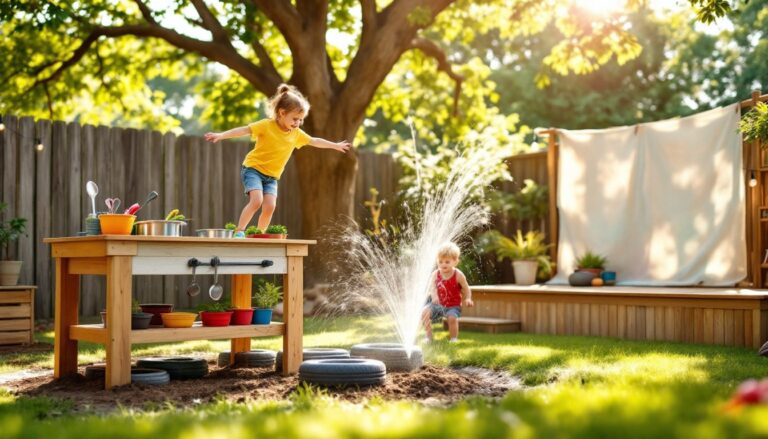
Mud kitchens repurpose old furniture into outdoor play zones. An salvaged cabinet, a stainless steel bowl sunk into the countertop, and some thrift-store pots create a setup that keeps kids occupied for hours. Add a small water source (a 5-gallon bucket with spigot) and position near a hose bib for easy refills.
Teepees and forts work when anchored properly. For fabric teepees, sink 1-inch conduit or bamboo poles 12 inches into the ground and bind tops with galvanized wire. Canvas drop cloths make durable, paintable covers. Wooden fort frames need pressure-treated lumber and either concrete footings or buried posts for stability, leaning structures become liability issues fast.
Sensory Garden Spaces for Hands-On Learning
Sensory gardens combine education with tactile engagement. These spaces require ongoing maintenance but teach responsibility alongside botany.
Raised beds built to kid height (12–18 inches) eliminate back strain and define planting zones. Construct frames from 2×6 or 2×8 cedar boards joined at corners with timber screws or galvanized corner brackets. Fill with a mix of topsoil, compost, and peat moss (or coconut coir as a sustainable alternative). A 4×4-foot bed holds enough variety without overwhelming young gardeners.
Plant selection drives sensory impact. Lamb’s ear (soft, fuzzy leaves), lemon balm (citrus scent when crushed), snapdragons (interactive flowers), and cherry tomatoes (fast-growing edibles) work reliably in most zones. Avoid plants with thorns or toxic properties, kids will touch everything.
Outdoor activities for children often include building habitats for beneficial insects. Bug hotels assemble from stacked materials: hollow bamboo tubes, drilled wood blocks, pinecones, and bark chunks stuffed into a wooden frame. Mount 3–5 feet off the ground in partial shade. These structures attract native bees, ladybugs, and other garden allies while providing observation opportunities.
Butterfly gardens need three elements: nectar sources (coneflowers, zinnias, milkweed), host plants for caterpillars (parsley, dill, native grasses), and shallow water sources (a saucer filled with pebbles and water). Skip pesticides entirely, they defeat the purpose.
A small greenhouse or cold frame extends the growing season and protects seedlings. Build a simple frame from 2×2 lumber and cover with 6-mil clear polyethylene sheeting or recycled windows. Hinge one side for ventilation. This scales from a 2×3-foot window box to a walk-in structure depending on available space and budget.
Water Play Features for Summer Fun
Water features transform backyards during warm months. Most require minimal plumbing skills and operate on standard hose connections.
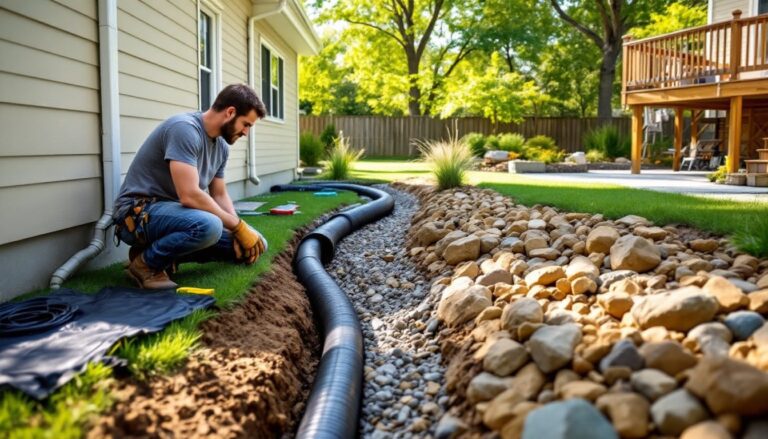
Splash pads rival in-ground pools for entertainment value without the maintenance burden. DIY versions run a 1/2-inch PVC manifold with drilled holes beneath a textured rubber surface. Connect to a hose bib via a quick-connect, add a runoff path to a planted swale or drywell, and kids have a zero-depth water play area. Homeowners comfortable with basic plumbing can install a recirculating pump system, though this requires a GFCI-protected outlet within 6 feet.
Sprinklers and water tables need less infrastructure. Commercial water tables work, but a livestock trough (galvanized 2×4-foot tank) mounted on a simple 2×4 frame at toddler height performs the same function. Add PVC pipe fittings, funnels, and kitchen tools for open-ended play. Drill a drain hole in one corner with a rubber plug for easy emptying.
Many homeowners consult home design resources when planning integrated water features that complement existing landscaping. Small ponds (preformed liners or flexible EPDM rubber) create habitat and visual interest, but require barriers for young children. A pond 18–24 inches deep with a surrounding fence or dense plantings meets most safety concerns. Include a pump and filter rated for the pond volume to prevent mosquito breeding.
DIY water walls mount to fences or standalone frames. Attach gutters, PVC tubes, funnels, and containers at varying heights, creating a gravity-fed cascade. Use stainless steel or coated screws to prevent rust. Position over a catch basin (a plastic storage tub works) with a small recirculating pump to reuse water.
All water play areas need adult supervision, non-negotiable, regardless of depth. Install slip-resistant surfaces around water features and keep a charged phone nearby.
Budget-Friendly DIY Backyard Projects for Kids
High-impact backyard upgrades don’t require contractor budgets. These projects prioritize sweat equity over cash outlay.
Tire swings cost almost nothing if a local tire shop provides used tires (they often do for free). Drill drainage holes in the bottom, scrub thoroughly with detergent and a stiff brush, and hang from a tree branch at least 8 inches in diameter using climbing-rated rope or chain. The branch should be 10–12 feet high for proper swing arc. Inspect attachment points every few months for wear.
Pallet projects convert industrial castoffs into play furniture. Disassemble pallets carefully (wear gloves, splinters and nails are common), then rebuild into benches, play counters, or vertical gardens. Sand all surfaces thoroughly and apply exterior stain or paint. Only use pallets stamped HT (heat-treated), those marked MB contain methyl bromide, a pesticide.
Practical projects featured on gardening and DIY sites often include repurposed materials for cost savings. Chalkboard fences transform privacy barriers into art surfaces with chalkboard paint applied directly to smooth fence boards. One gallon covers approximately 100 square feet and runs $20–30. Add a rain gutter beneath to catch chalk pieces and a bucket for storage.
Outdoor musical instruments assemble from scrap materials: pots and pans hung at varying heights, PVC pipes cut to different lengths and mounted as chimes, or a drum set from overturned buckets. Mount to a fence or freestanding frame using galvanized wire or paracord.
Balance beams need only a 4×4 pressure-treated post cut to length and either mounted on short legs (4×4 blocks) or partially buried. Start with the beam 6 inches off the ground for younger kids. Sand edges to remove splinters but leave the surface slightly textured for traction.
Tunnels made from corrugated drainage pipe (24-inch diameter or larger) provide crawl-through adventure. Bury partially in a hillside or berm, or support above ground with stakes and landscape fabric. Ensure both ends remain visible and unobstructed.
Conclusion
A functional kids’ backyard balances active zones, creative spaces, and natural elements without requiring a complete landscape overhaul. Start with one or two anchor features, a climbing structure, a sandbox, or a water play area, then add modular elements as time and budget allow. The best yards evolve with the family, adapting to shifting interests and abilities while holding up to weather and hard use.