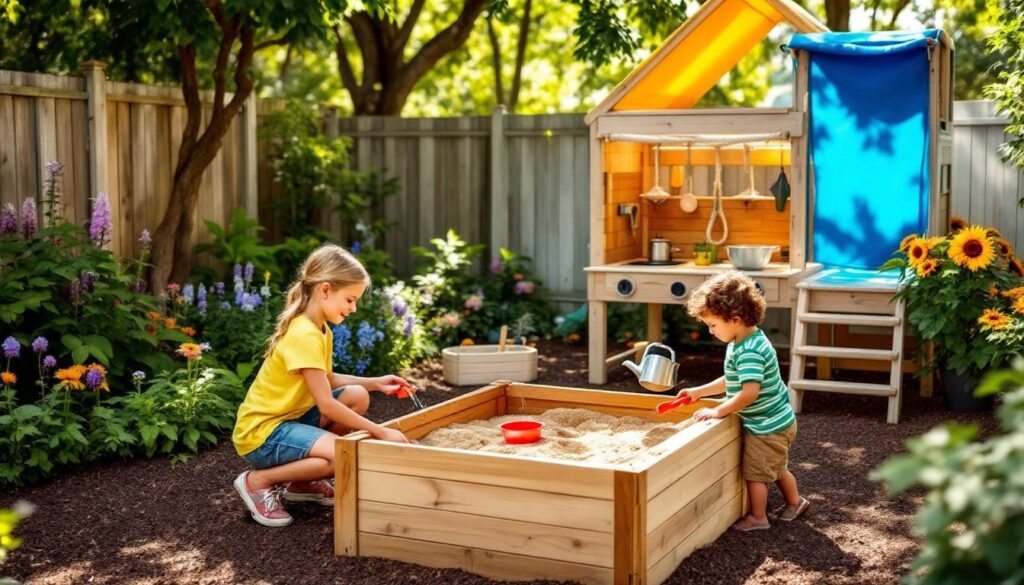
Turning a <a href="https://learncozy.com/entertaining-backyard-designs/”>backyard into a space where kids actually want to play, without turning it into a maintenance nightmare or a safety hazard, takes more than tossing a swing set on patchy grass. A well-designed play-friendly yard balances active zones with quiet corners, incorporates natural elements alongside built structures, and grows with kids as their interests shift. The goal isn’t Pinterest perfection: it’s creating a space that sees daily use, stands up to rough play, and gives parents peace of mind while kids burn energy outdoors.
Table of Contents
ToggleKey Takeaways
- Kid-friendly backyard ideas succeed when they balance active play zones with quiet corners, clear boundaries, and safe surfaces like engineered wood fiber or rubber mulch under equipment.
- Water features don’t require expensive pools—simple splash pads, stock tanks, or recirculating systems provide endless entertainment while constant adult supervision and proper fencing remain non-negotiable safety requirements.
- DIY adventure structures like platform forts, climbing walls, and zip lines can be customized to fit your yard’s layout and kids’ interests, but require proper anchoring, concrete footings, and adherence to IRC safety standards.
- Nature exploration areas including sandboxes, mud kitchens, and pollinator gardens encourage outdoor learning while reducing mess indoors.
- Clover lawns, artificial turf, and mulched zones are low-maintenance alternatives to traditional grass in high-traffic play areas, adapting easily as kids grow and interests change.
- Creative art stations, sensory paths, and music walls with weather-resistant materials maximize outdoor engagement while supporting developmental growth through tactile and sensory play.
Create a Safe and Fun Play Zone
The foundation of any play-friendly yard starts with defining boundaries and surfaces. Separate active play areas from relaxation zones using visual markers like raised garden beds, low fencing, or changes in ground cover. This keeps balls out of flower beds and gives younger kids clear boundaries.
Ground surface matters. Grass works fine for light play, but high-traffic areas under swings or climbing structures need impact-absorbing material. Engineered wood fiber (EWF) or rubber mulch provides cushioning that meets ASTM F1292 safety standards for fall height. Plan for a minimum 6-inch depth under equipment with fall heights up to 6 feet. Rubber mulch doesn’t decompose but can retain heat: EWF needs annual topping off but stays cooler.
Skip decorative rocks or pea gravel near play equipment, they’re projectiles waiting to happen. For edging, rubber playground borders or landscape timbers (pressure-treated lumber rated for ground contact) create clean lines without sharp edges.
Fencing requirements depend on local codes, especially if adding pools or trampolines. Check with your municipal building department before installing anything that could trigger permit requirements. Most jurisdictions require 4-foot minimum fencing around pools with self-closing, self-latching gates.
Visibility is non-negotiable. Design sightlines from kitchen windows or deck areas so supervision doesn’t require standing outside. Trim shrubs below 3 feet or above 6 feet to eliminate blind spots where kids disappear from view.
Add Water Features for Endless Entertainment
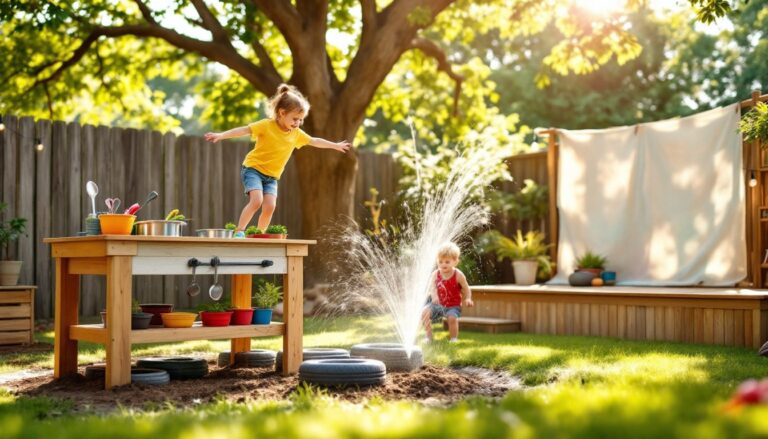
Water play doesn’t require a pool or major plumbing work. A simple splash pad using a garden hose attachment or portable spray mat turns any flat area into a cooling station. These hook up to standard hose bibs and drain naturally if installed over permeable surfaces.
For permanent installations, in-ground splash pads with recirculating pumps offer year-round value in warm climates. These systems require electrical work (GFCI-protected outlets per NEC Article 680) and proper drainage, typically a 4- to 6-inch gravel base below pavers with a slight grade away from structures. Hire a licensed electrician for any wiring near water features.
Better Homes & Gardens highlights creative designs that blend water elements with natural landscaping, making them seasonal features rather than standalone installations. Seasonal alternatives include stock tanks (galvanized or poly, 2×6 or 3×8 feet) placed on level ground with fresh water changed every few days to prevent mosquito breeding.
Safety requirements for any water feature:
• Constant adult supervision, no exceptions
• Fencing or removable barriers if water depth exceeds 6 inches
• Slip-resistant surfaces (textured pavers, not smooth concrete)
• Drain plugs accessible to adults but not kids
• GFCI protection on all electrical components
Avoid standing water features like decorative ponds with kids under 5. Even shallow water poses drowning risk. If existing ponds can’t be removed, cover them with reinforced metal grating secured at edges and strong enough to support adult weight.
Build DIY Adventure Structures
Pre-fab play sets work, but custom-built structures better fit odd yard shapes and specific interests. A basic platform fort with a 4×6-foot deck at 4 feet high requires:
• Four 4×4 posts (pressure-treated, rated for ground contact)
• 2×6 joists for framing (16-inch on-center spacing)
• 5/4×6 decking boards for the platform
• Concrete footings or ground anchors (check frost depth requirements, typically 42 inches in northern climates)
• Joist hangers, carriage bolts, and galvanized deck screws
Dig post holes 10-12 inches in diameter, set posts in concrete, and allow 48 hours to cure before framing. All horizontal surfaces should slope slightly (1/8 inch per foot) for water drainage. Add railings at 36 inches high with balusters spaced no more than 4 inches apart to meet IRC requirements.
For climbing challenges, rope ladders or cargo nets (rated for playground use, minimum 1,000-pound capacity) bolt to structural framing, never deck railings. Climbing walls need 3/4-inch plywood backing, with T-nuts embedded for modular hold placement. Angle walls at 15-30 degrees for younger kids: vertical is for confident climbers.
Tool requirements: Circular saw or miter saw, drill/driver with twist bits and spade bits, post-hole digger or auger, level (4-foot and torpedo), tape measure, socket wrench set. Rent an auger if digging more than four holes in clay or rocky soil.
A zip line is achievable but needs careful planning. Use 5/16-inch galvanized steel cable with rated hardware (turnbuckles, cable clamps, thimbles). Anchor points must be structural, either 8×8 posts set 4 feet deep in concrete or large tree trunks (minimum 12-inch diameter) with proper tree-safe attachment hardware. Maximum slope is 6 degrees (about 6 inches of drop per 10 feet of run). This is a two-person job, and getting cable tension right requires a come-along or cable tensioner. Inspect hardware seasonally for wear.
Design a Nature Exploration Area
Designate a section of the yard for digging, plant observation, and controlled mess. A sunken sandbox (4×4 or 4×6 feet) using landscape timbers or composite decking for borders lasts longer than plastic turtle shells and integrates into the landscape better.
Build it:
- Excavate 8 inches deep.
- Line the bottom with landscape fabric (woven, not solid plastic) to block weeds but allow drainage.
- Frame with 4×4 or 6×6 timbers, securing corners with rebar stakes or timber screws.
- Fill with play sand (washed, fine-grain, not masonry sand) to 6 inches below the rim.
- Add a removable cover (plywood, tarp, or hinged wooden lid) to keep animals out.
Adjacentto the sandbox, a mud kitchen turns dirt into entertainment. Repurpose old cookware, bowls, and utensils on a simple frame (2×4 construction with a plywood countertop at 24 inches high for toddlers, 30 inches for older kids). Include hooks for tools and a basin for water.
Pollinator gardens introduce biology lessons. Plant native perennials (coneflowers, black-eyed Susans, milkweed) in irregular clusters rather than formal rows. Kids can observe bees, butterflies, and beetles up close. Add a bug hotel (stacked wood, bamboo tubes, and pine cones in a wooden frame) for solitary bees and beneficial insects.
Define paths through the nature area with wood chips or stepping stones (12-inch diameter, set level with surrounding soil). Avoid treated lumber for raised beds where kids will dig, use cedar or composite lumber instead.
Incorporate Creative Art and Sensory Spaces
Outdoor art stations reduce indoor mess and encourage bigger projects. Mount a chalkboard (1/4-inch plywood or MDF coated with chalkboard paint, two coats minimum) on a fence or shed wall at kid height. Use exterior-grade chalkboard paint and seal edges with trim to prevent water infiltration.
An outdoor easel needs to withstand weather. Build one from 2×3 lumber with a hinged design that folds flat. Treat with exterior stain or paint (deck stain works well). Add a plastic tray or gutter section at the base for paint and brushes.
For tactile play, a sensory path uses contrasting textures underfoot. Alternate sections of:
• Smooth concrete pavers
• Rough flagstone
• Artificial turf squares
• River rock (larger stones, 2-4 inches, not choking hazards)
• Wood rounds (4-inch thick sections of tree trunk, treated with deck sealer)
Secure each section with landscape adhesive or mortar to prevent shifting. Total path length of 10-15 feet works for small yards: wind it through garden beds for longer routes.
A music wall mounts percussive objects at various heights: old pots, pans, metal pipes (capped at ends), wooden blocks, and bells. Use stainless steel hardware (eye bolts, S-hooks, chain) that won’t rust. Attach to a privacy fence or build a standalone frame from 4×4 posts with 2×4 crossbeams.
Storage for art supplies is critical. A weatherproof deck box (90-gallon minimum) keeps paints, chalk, and tools dry. Look for models with automatic lid stays so lids don’t slam on fingers.
Install Low-Maintenance Lawn Alternatives
Traditional turf grass in high-traffic play areas becomes mud and bare patches within a season. Clover lawns (microclover or white Dutch clover) stay green with minimal water, self-fertilize by fixing nitrogen, and hold up to foot traffic. Seed at 4-6 ounces per 1,000 square feet in early spring or fall. It establishes faster than grass and blooms attract pollinators (note: this may attract bees, not ideal if kids have allergies).
Artificial turf gets criticized, but modern playground-grade turf with antimicrobial infill works well in shaded areas where grass won’t grow or under play structures. Installation requires:
• Base prep: 3-4 inches of compacted crushed rock (3/4-inch minus)
• Weed barrier fabric
• Turf panels cut to fit with seams joined using 6-inch seaming tape and adhesive
• Infill (silica sand or antimicrobial crumb rubber), applied at 2-3 pounds per square foot
Edging around turf (aluminum or plastic bender board) keeps edges from lifting. Professional installation runs $8-$12 per square foot: DIY cuts that to $3-$5 but requires a carpet knife, power broom (rental), and patience.
Mulched play zones work for areas under swings and slides. Borders contain the mulch (see Create a Safe and Fun Play Zone section): plan to add 1-2 inches annually as material compacts. Rubber mulch costs more upfront ($5-$7 per cubic foot) but lasts 10+ years. EWF runs $3-$4 per cubic foot but needs replacement every 5-7 years.
For paths between zones, decomposed granite (DG) or pea gravel over compacted base provides drainage and clean walking surfaces. DG compacts firm and works for bike paths: stabilize with a binding agent for best results.
Conclusion
A play-friendly backyard evolves as kids grow. Sandboxes become garden beds, climbing structures gain new challenges, and open lawn areas convert to sports zones. Build with flexibility in mind, modular structures, movable planters, and surfaces that serve multiple purposes. The best yards are the ones that get used daily, show wear from active play, and adapt without requiring complete overhauls every few years.