Building a home isn’t just about bricks and mortar; it’s an art form. Whether it’s crafting a cozy cottage or a sleek modern marvel, the techniques behind home building shape our living spaces and, ultimately, our lives. Imagine turning a pile of lumber into a sanctuary where memories are made—sounds like magic, right? Well, it’s all in the technique.
From traditional methods that have stood the test of time to innovative approaches that make your head spin, the world of home building is vast and exciting. Each technique offers its own unique flavor, whether it’s the charm of timber framing or the efficiency of modular construction. So, grab your hard hat and let’s dive into the fascinating world of home building techniques that could turn your dream abode into reality. After all, who wouldn’t want a home that’s not just a roof over their head, but a masterpiece?
Overview of Home Building Techniques
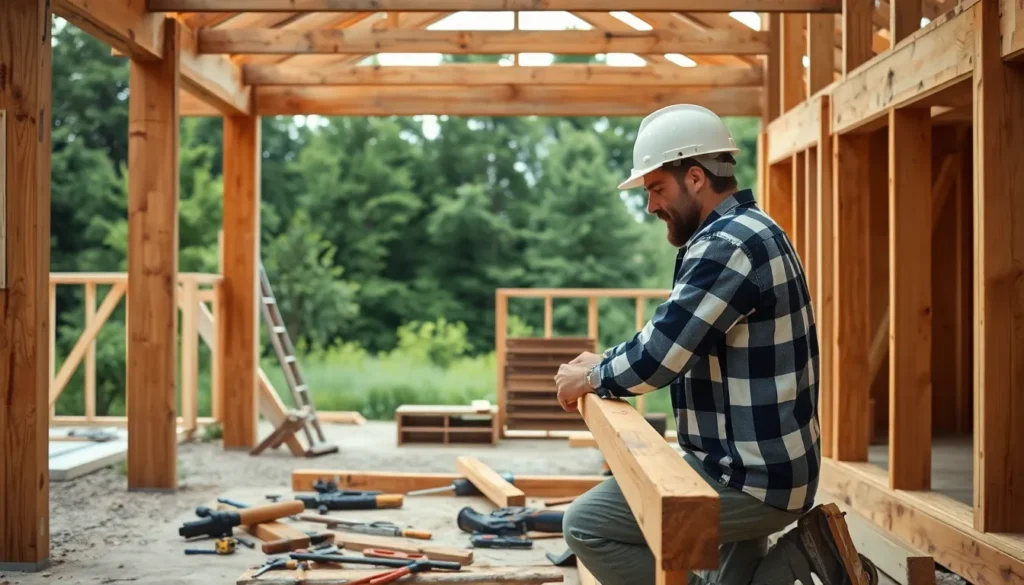
Home building techniques encompass a wide array of methods used to create shelters that meet various needs. Traditional methods like timber framing highlight craftsmanship while providing durability. Timber framing utilizes heavy wood beams and joins them with intricate connections, creating sturdy structures that can last for generations.
Another popular technique includes modular construction, which involves prefabricated sections assembled on-site. Modular homes offer efficiency and can significantly reduce construction time. They often come with modern designs and customizable options, appealing to diverse tastes.
Steel framing represents a contemporary choice for many builders. This method uses steel studs instead of wood, providing resilience against pests and extreme weather conditions. Additionally, concrete block construction is favored for its strength and energy efficiency, often found in regions prone to hurricanes.
Sustainable building techniques have gained traction. These incorporate materials like straw bales or recycled products to reduce environmental impact. Green roofs, another eco-friendly option, help regulate temperature and support biodiversity.
Each technique combines unique materials and methods to create homes that are functional, beautiful, and environmentally conscientious. Understanding the characteristics of these building approaches empowers individuals to choose the right method for their dream home. Individuals can explore various options to find an approach that aligns with their lifestyle and values.
Traditional Home Building Techniques
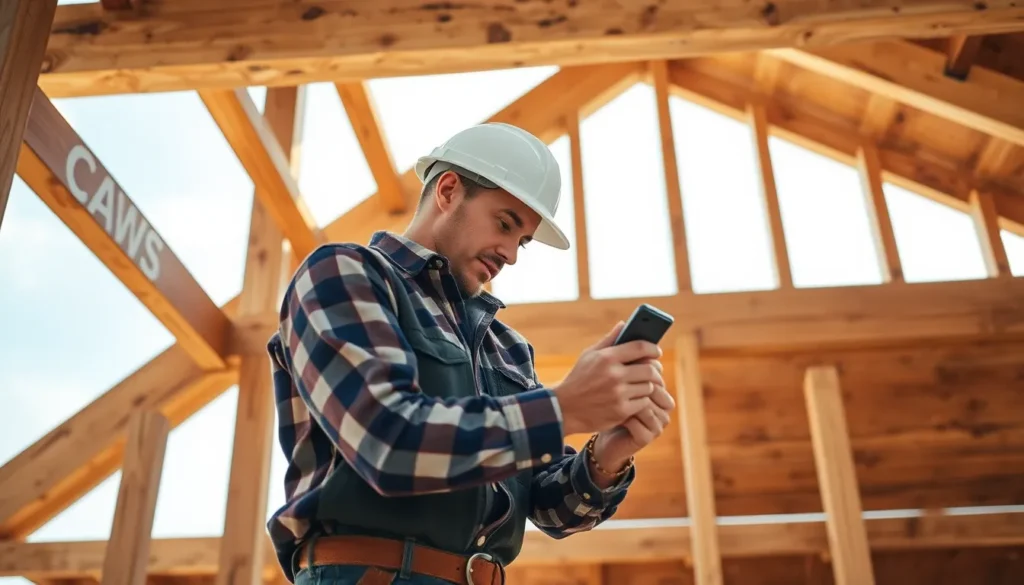
Traditional home building techniques encompass various methods that highlight craftsmanship and materials. These methods, such as wood framing and brick and mortar construction, date back centuries, emphasizing durability and timeless design.
Wood Framing
Wood framing stands out for its versatility and use of timber. This technique allows for quick assembly, reducing construction time. Builders often choose wood for its availability and ease of manipulation. Structural elements consist of beams and studs, which provide support and shape. This method often results in beautiful, inviting interiors with the potential for customization. Many homeowners appreciate wood’s natural aesthetic appeal and warmth.
Brick and Mortar
Brick and mortar construction provides strength and long-lasting durability. This method utilizes fired clay bricks bonded with mortar, creating sturdy walls. Often, this technique offers excellent thermal properties, keeping homes insulated. Many builders favor this technique for its resistance to pests and fire. Aesthetic options abound, as bricks come in various colors and textures, enhancing exterior appeal. Builders rely on this method for low maintenance and sustainability, making it a popular choice for enduring homes.
Modern Home Building Techniques
Modern home building techniques embrace innovation and efficiency, catering to diverse needs and preferences.
Steel Framing
Steel framing offers strength and resilience, making it a preferred choice. This technique minimizes material waste, contributing to overall sustainability. Architects appreciate its design flexibility, accommodating various architectural styles. Steel structures resist pests and extreme weather, significantly reducing maintenance costs. Elevated safety is another advantage, as steel is non-combustible. The construction process accelerates, allowing projects to reach completion faster. Builders often utilize steel for multi-story buildings, providing superior support compared to traditional methods.
Concrete Construction
Concrete construction stands out for its durability and energy efficiency. Homeowners benefit from excellent thermal properties, which help maintain comfortable indoor temperatures. This technique uses forms that allow for varied designs, from contemporary to classic. Concrete’s resilience against natural disasters makes it a reliable option in many regions. Moreover, this method requires minimal maintenance, ensuring longevity. Builders often incorporate recycled materials into mixtures, promoting environmental responsibility. The versatility of concrete extends to aesthetic finishes, providing opportunities for creativity in home design.
Sustainable Home Building Techniques
Sustainable home building techniques focus on reducing environmental impact while enhancing the quality of living spaces. These methods prioritize eco-friendly practices and materials.
Green Materials
Utilizing green materials forms a foundation for sustainable construction. Organic insulation, such as cellulose or sheep’s wool, promotes energy efficiency while ensuring minimal environmental harm. Reclaimed wood and bamboo serve as strong alternatives to traditional lumber, offering durability and reducing deforestation. Additionally, recycled content in materials such as metal and concrete minimizes waste. Many builders also turn to low-VOC paints and finishes to provide healthier indoor air quality. Emphasizing responsible sourcing in all components not only aids sustainability but also enhances the overall aesthetic appeal.
Energy Efficiency Solutions
Incorporating energy efficiency solutions significantly contributes to a sustainable home. High-performance windows can reduce heating and cooling costs by preventing air leakage. Advanced insulation materials improve thermal resistance, maintaining comfortable indoor temperatures year-round. Solar panels play a crucial role in harnessing renewable energy, providing significant savings on utility bills. Efficient heating, ventilation, and air conditioning systems optimize energy use while maximizing comfort. Smart home technologies allow for precise control over energy consumption, adding convenience to sustainability. By integrating these solutions, homeowners actively contribute to energy conservation while promoting environmental responsibility.
Innovative Home Building Techniques
Innovative home building techniques are transforming the landscape of construction. These advancements enhance efficiency and sustainability while opening up new avenues for creativity.
3D Printing
3D printing represents a groundbreaking method in home construction. This technology allows for the rapid construction of structures using a computerized printer that layers materials. Precise designs lead to minimal waste and reduced labor costs. Some projects have completed homes within days, showcasing incredible speed compared to traditional methods. Architects can experiment with complex shapes and unique aesthetics that were previously hard to achieve. Interest in this method continues to grow, driven by its potential to revolutionize housing solutions for diverse populations.
Modular Construction
Modular construction offers a modern approach by assembling pre-fabricated sections off-site. This technique enhances efficiency and accelerates the building timeline. Factory-controlled environments ensure consistent quality and reduce weather-related delays during construction. Buildings can arrive at the site ready to install, significantly cutting down on disruption. Various components, including walls, floors, and roofs, can be customized, providing flexibility for design preferences. As a result, modular construction supports sustainability efforts through reduced material waste and energy-efficient processes.
Home building is a multifaceted journey that combines art and science. As individuals explore various techniques they can find a method that resonates with their unique needs and values. Whether opting for traditional craftsmanship or embracing innovative solutions the choices available today are vast and diverse.
Sustainable practices are becoming increasingly important in this field encouraging builders to consider their environmental impact. With advancements like 3D printing and modular construction the future of home building looks promising.
Ultimately a well-designed home reflects personal stories and aspirations while providing a sanctuary for those who inhabit it. Choosing the right technique can lead to a harmonious blend of functionality and beauty.