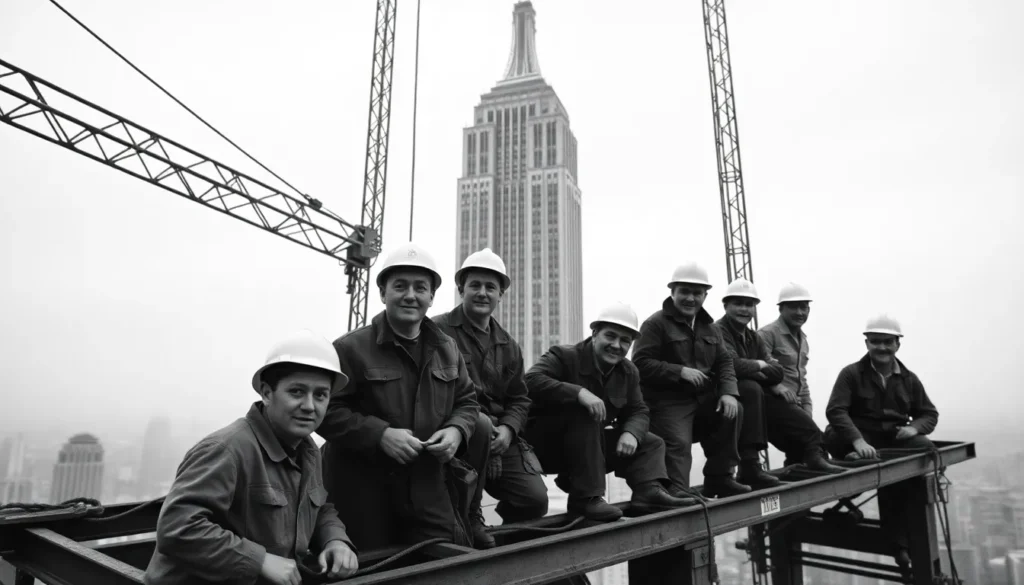
The Empire State Building towers over New York City, a symbol of ambition and resilience. But behind its iconic facade lies a sobering reality: the construction of this architectural marvel came at a steep price. With an impressive 102 stories reaching for the sky, it’s hard to imagine the risks taken by those who built it.
Overview of the Empire State Building Construction
Constructed between 1930 and 1931, the Empire State Building stands as an architectural marvel. Its height reaches 1,454 feet, 1,250 feet without the antenna, making it one of the tallest buildings in the world. Designed by Shreve, Lamb, and Harmon, this skyscraper showcases Art Deco style, characterized by bold geometric shapes.
Around 3,400 workers participated in this ambitious project, facing various challenges throughout the construction process. They worked under dangerous conditions, often perched on steel beams high above the ground. Safety protocols were minimal at that time, contributing to significant risks for workers.
Reports indicate that at least five workers died during the construction. Crane malfunctions and falls led to these tragic fatalities, highlighting the perils of such a grand undertaking. Many workers performed tasks without harnesses or safety gear, a stark contrast to modern construction standards.
Completion of the building occurred ahead of schedule, a remarkable feat given the Great Depression’s economic atmosphere. Rapid construction techniques utilized as many as 10 stories per week, emphasizing efficiency. Despite the challenges, the determination of the workers contributed significantly to the building’s timely completion.
The Empire State Building opened on May 1, 1931, quickly becoming a symbol of hope and resilience. Its completion marked a critical point in New York City’s history, demonstrating the city’s ambition during difficult times.
Historical Context
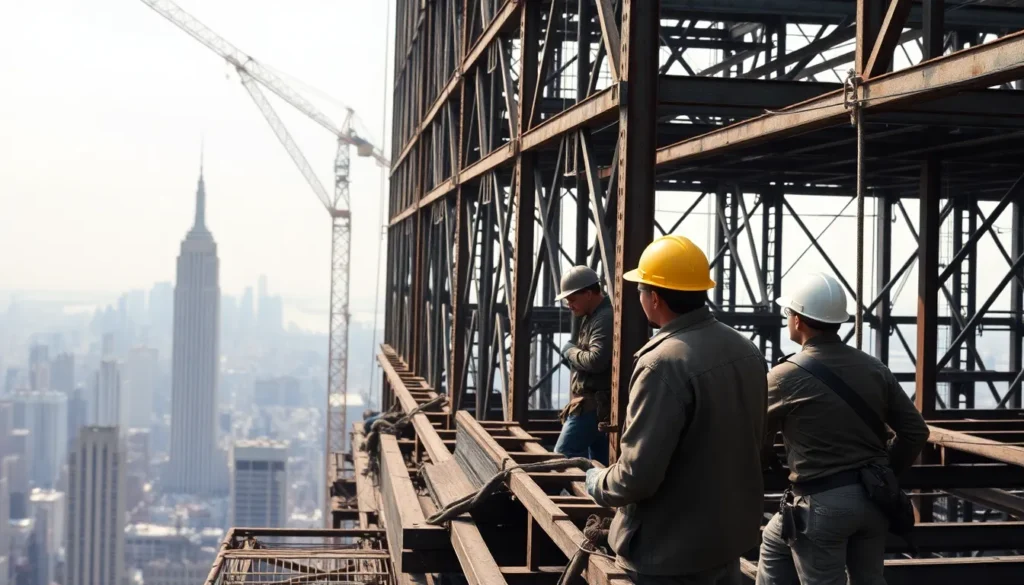
The Empire State Building emerged during a challenging time in American history. It symbolized resilience against the backdrop of the Great Depression.
The Great Depression Era
The Great Depression significantly influenced the construction of the Empire State Building. With unemployment rates soaring above 25%, the project provided much-needed jobs. Workers engaged in the construction faced dire economic circumstances yet displayed unwavering determination. The stakes were high, given the few safety measures available at the time. Reports confirm five fatalities due to workplace accidents, reflecting the harsh realities faced by laborers. Even amid adversity, the structure’s rapid completion in just over a year showcased their tenacity.
Need for New Development
Amid economic turmoil, New York City required new development to revitalize its economy. The Empire State Building represented an ambitious vision for the future. Numerous businesses sought to invest in modern spaces to attract tenants and stimulate growth. Construction of the skyscraper aimed to position New York as a global leader in innovation and architecture. The urgency for new infrastructure became evident as the city navigated the economic downturn. Building large-scale projects like this one fostered hope and remained crucial for the city’s recovery efforts.
Construction Timeline
The construction of the Empire State Building took place between 1930 and 1931. This rapid timeline enabled the building to become an enduring symbol of resilience.
Key Milestones
Breaking ground occurred on March 17, 1930. The project reached a significant height of 1,250 feet within just a year, showcasing remarkable efficiency. Achieving completion on April 11, 1931, represented a major accomplishment for the workers. The official opening took place on May 1, 1931, attracting widespread attention. Celebrating its status as an architectural wonder, it stood as the tallest building in the world at the time.
Major Challenges Faced
Dangerous working conditions posed major risks throughout the construction. Workers encountered minimal safety measures, amplifying the hazards. At least five fatalities resulted from crane malfunctions and falls, highlighting the perils inherent in such a massive project. Additionally, inclement weather frequently disrupted operations. Despite these challenges, workers displayed immense determination, prioritizing the project’s timely completion amidst adversity. The urgency for development in a struggling economy further complicated the situation.
Safety Measures Implemented
The safety measures during the Empire State Building’s construction sought to minimize risks for workers. Implementing effective protocols was critical in reducing accidents.
Scaffold and Safety Equipment
Scaffolding played a vital role in protecting workers at higher elevations. Various types of scaffolds, including tube-and-clamp and frame scaffolding, ensured stability as tasks progressed. Additionally, safety equipment like hard hats, harnesses, and safety nets helped mitigate the dangers of falls. These provisions contributed to safer working environments and decreased fatalities compared to other projects of the time. Regular maintenance and inspections of safety equipment further enhanced the overall safety record during construction.
Worker Training Programs
Training programs for workers focused on safe operational procedures. Instruction emphasized proper handling of tools and machinery, crucial for reducing accidents. Regular safety drills prepared workers for emergency situations, ensuring they understood evacuation routes and protocols. Moreover, experienced supervisors provided on-the-job training, reinforcing techniques that prioritized safety. By fostering a culture of safety, these programs aimed to raise awareness and ultimately protect the workforce.
Reported Construction Deaths
During the construction of the Empire State Building, worker safety emerged as a crucial topic. Workers faced numerous hazards, and the realities of the construction environment led to tragic outcomes.
Statistics and Analysis
At least five documented deaths occurred during the construction period from 1930 to 1931. Crane malfunctions and falls contributed to these fatalities. A significant number of workers, approximately 3,400, took part in the project, emphasizing the scale of the operation. Compared to other large construction projects of that era, the statistics reflect a relatively lower mortality rate due to the safety measures put in place. Safety protocols, including the use of scaffolding and hard hats, played a pivotal role in reducing the risks faced by workers.
Notable Incidents
Several notable incidents stand out in the history of the construction. One incident involved a crane malfunction, resulting in a worker’s untimely death. Another tragic event related to a fall from an unprotected edge, showcasing the importance of safety protocols. These incidents underscore the inherent dangers faced during the ambitious construction effort. Despite the challenges, workers persisted, demonstrating remarkable resilience throughout the construction of the iconic structure.
Impact on Labor Laws
Construction of the Empire State Building significantly influenced labor laws and safety practices in the industry. The fatalities during its assembly highlighted the vital need for improved safety regulations.
Changes in Safety Regulations
New safety measures emerged in response to the documented deaths during the construction. Regulatory bodies introduced stricter guidelines focused on worker safety and protection. Mandating the use of safety gear, such as hard hats and harnesses, became standard across the industry. Inspecting scaffolding and machinery regularly ensured compliance with safety protocols. Training workers on emergency response procedures further enhanced safety awareness. These changes laid the groundwork for future regulations aimed at preventing similar tragedies.
Influence on Future Constructions
Impact from the Empire State Building’s construction extended beyond its completion in 1931. Subsequent projects incorporated the improved safety regulations established during its development. The construction industry adopted more rigorous training programs for workers, emphasizing safety culture. Developers began prioritizing worker safety, reducing incident rates significantly. This legacy improved conditions not only in New York but also nationally, inspiring legislation promoting safer working environments. The influence of these changes remains evident in current construction practices, shaping standards for generations.
The construction of the Empire State Building serves as a poignant reminder of the sacrifices made by workers in the pursuit of progress. While the project symbolized hope during the Great Depression, it also highlighted the importance of safety in construction. The tragic deaths of five workers underscored the risks inherent in such ambitious endeavors.
These events prompted significant changes in labor laws and safety practices, ensuring that future projects would prioritize worker protection. The legacy of the Empire State Building extends beyond its architectural grandeur, influencing safety standards that continue to shape the construction industry today. Its story reflects both the resilience of New York City and the ongoing commitment to safeguarding those who build its landmarks.