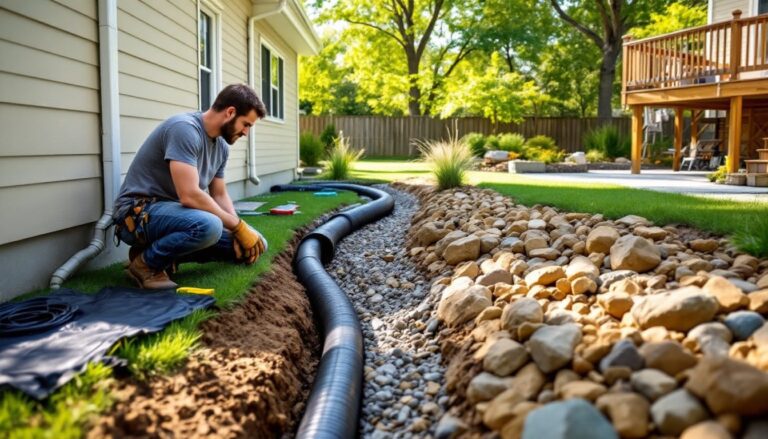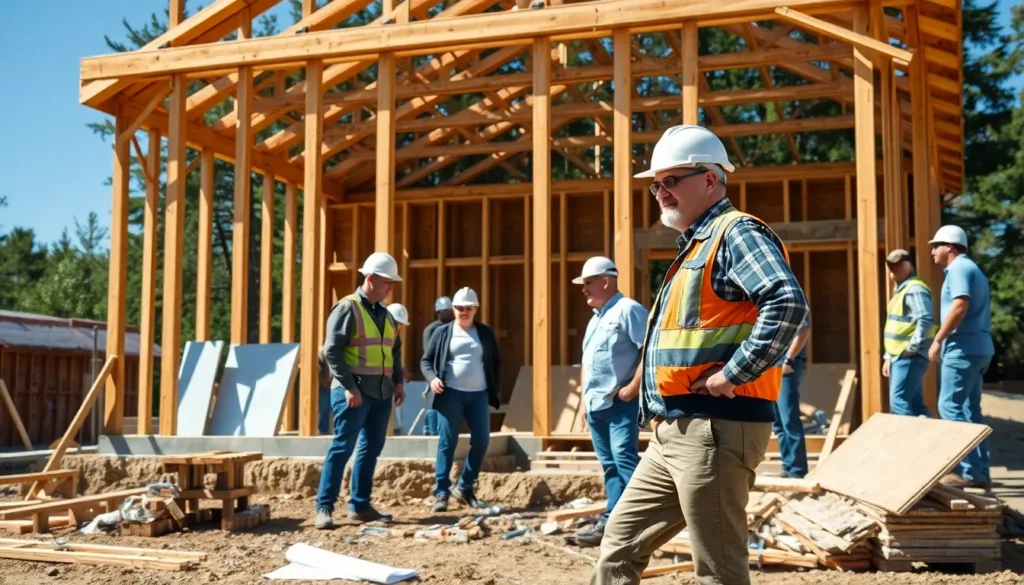
Building a house is like crafting your very own fortress—complete with a moat of coffee cups and a drawbridge made of dreams. It’s an adventure where blueprints become your treasure maps and every nail pounded is a step closer to your kingdom. But let’s be honest: it’s not just about the bricks and mortar; it’s about creating a space that screams, “Welcome home!”
Understanding the Basics of Building a House
Building a house requires a comprehensive understanding of foundational principles. Several key factors influence the successful completion of a home.
The Importance of Planning
Planning serves as the backbone of any construction project. A well-developed plan outlines budget, timelines, and material choices. Clarity in design ensures alignment with personal preferences and local regulations. Gathering necessary permits prevents delays. Engaging professionals like architects and builders early streamlines the decision-making process. Developing a contingency plan covers unexpected challenges, thus enhancing project stability.
Key Stages of Construction
Construction occurs in distinct stages, each vital for progress. Site preparation involves clearing land and laying a solid foundation. Framing establishes the structure of walls, floors, and roof systems. Installing mechanical systems follows, encompassing plumbing, electrical, and HVAC installation. Exterior work includes siding, roofing, and windows. Interior finishes, such as drywall, flooring, and cabinetry, finalize the home’s appearance. Final inspections ensure that everything meets safety codes and standards before moving in.
Choosing the Right Location
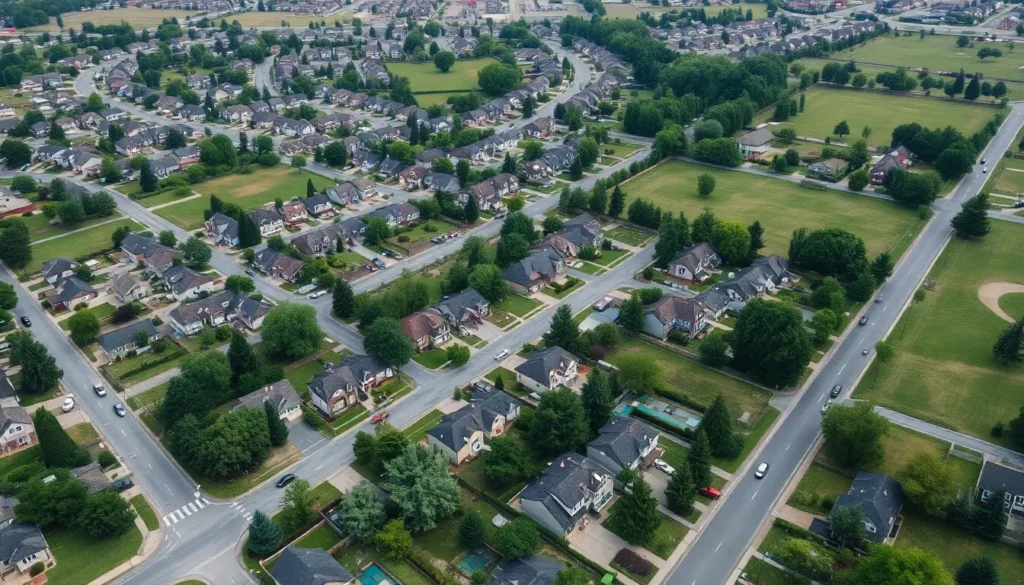
Selecting the ideal location is crucial in building a house. The chosen site affects daily life, property value, and long-term satisfaction.
Factors to Consider
Proximity to essential amenities like schools, hospitals, and shopping centers plays a significant role. Safety within the neighborhood often influences decisions. Access to public transportation can enhance convenience. Natural surroundings, such as parks and recreational areas, contribute to an appealing lifestyle. Local zoning laws may restrict future renovations or expansions. Internet connectivity and utility availability are essential for modern living. Each element impacts overall comfort and desirability.
How to Assess Land
Assessing land begins with analyzing topography and drainage, which inform construction suitability. Soil quality affects building stability and drainage capability. Next, understanding boundary lines helps avoid property disputes in the future. Evaluating access routes reveals potential challenges for construction logistics. Researching past land use offers insights into environmental issues or contamination risks. Finally, reviewing local regulations guides compliance with building codes. Each assessment area ensures informed decision-making for the project ahead.
Designing Your Home
Designing a home involves thoughtful planning and collaboration. Choices made during this phase significantly influence the overall ambiance and functionality.
Working with Architects and Designers
Engaging architects and designers brings expertise to the project. They help in transforming ideas into practical designs. Communication regarding vision allows these professionals to tailor designs that reflect individual preferences. Involving them provides access to innovative solutions and efficient layouts that enhance living spaces.
Essential Design Elements
Design elements play a crucial role in home functionality and aesthetics. Lighting shapes the mood of a space, while colors set the ambiance. Floor plans determine flow and usability in daily life. Materials selected affect durability and maintenance, influencing long-term satisfaction. Incorporating features like open spaces or cozy nooks caters to personal lifestyle needs.
Construction Process Overview
The construction process involves several phases that translate design into reality. Each step requires careful attention to detail to ensure a successful outcome.
Pre-Construction Steps
Initial steps set the stage for a smooth construction journey. Homeowners should finalize their budget, which directly influences material choices and design options. Gathering necessary permits accounts for legal requirements, ensuring compliance with local regulations. Engaging with contractors early on fosters open communication and builds trust. Choosing a reliable team can significantly impact timelines and quality. Scheduling site surveys helps assess land conditions, which can uncover potential challenges before construction begins.
Managing the Build
Effective management oversees the entire construction timeline. Regular site inspections keep the project aligned with plans and ensure quality standards. Communicating with builders and subcontractors facilitates quick resolution of issues. Documenting progress maintains transparency and accountability. Coordinating deliveries of materials prevents costly delays. Timely scheduling of inspections ensures safety compliance before moving to the next phase. Adjusting timelines and resources based on real-time feedback maximizes efficiency throughout the build process.
Tips for Homeowners
Building a home involves careful consideration and strategic planning. Homeowners can effectively navigate the construction process by following specific tips focused on budgeting and contractor management.
Budgeting for Your Project
Establish a detailed budget before starting any construction. This includes costs for materials, labor, permits, and unexpected expenses. Track all expenses and adjust projections as progress occurs. Prioritize needs over wants to ensure essential elements secure funding. Set aside 10-15% of the total budget for contingencies, addressing unexpected situations. Research local pricing for materials and labor to make informed decisions. Utilize technology, such as budgeting software or apps, to keep finances organized and transparent.
Dealing with Contractors
Select contractors based on their experience and references, not just low bids. Communicate clearly about expectations and timelines from the beginning. Negotiate contracts that include detailed descriptions of work and payment schedules. Schedule regular meetings to discuss progress and address any issues promptly. Trust and transparency foster strong working relationships, leading to smoother operations. Maintain documentation of communications and agreements to avoid misunderstandings. Know the payment terms and don’t pay in full until completion meets standards.
Building a house is a significant investment that requires careful planning and execution. It’s not just about erecting walls and a roof; it’s about creating a space that resonates with personal values and lifestyle. By prioritizing thorough research and thoughtful design, homeowners can ensure their new residence meets both functional and aesthetic needs.
The journey from blueprint to reality involves collaboration with skilled professionals and effective management of resources. By maintaining clear communication and staying organized, the process can be both rewarding and efficient. Ultimately, a well-built home stands as a testament to individual vision and hard work, providing comfort and security for years to come.