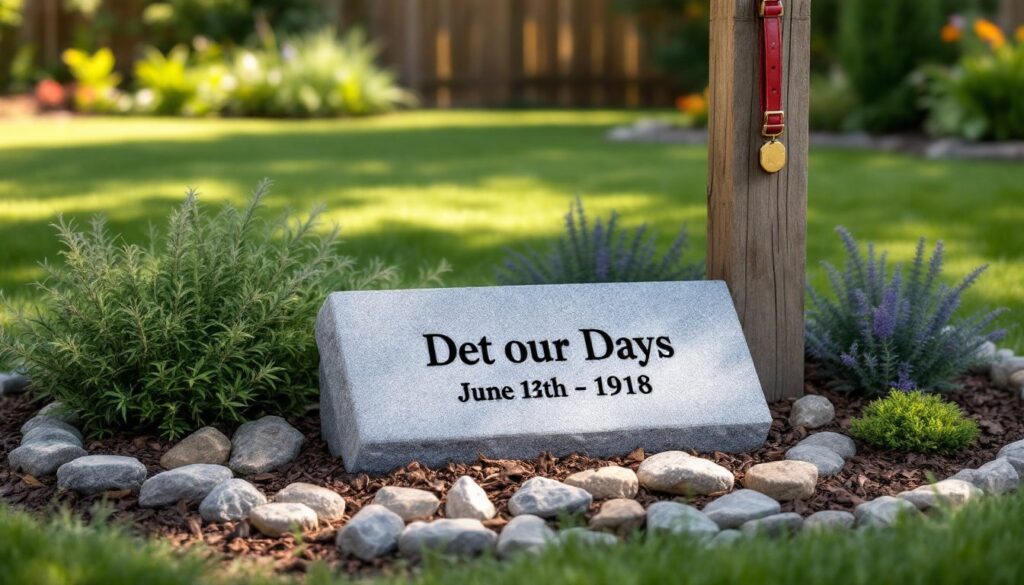
Losing a pet is never easy, and many homeowners want to honor that bond by creating a permanent memorial in their own <a href="https://learncozy.com/backyard-patio-entertaining-ideas/”>backyard. A pet grave isn’t just a burial site, it’s a place to remember and reflect. Whether you’re working with a small corner of the yard or dedicating a larger space, building a thoughtful, well-executed memorial takes careful planning. This guide walks through location considerations, DIY marker options, garden design, and personalization ideas to help create a lasting tribute that respects both your pet’s memory and your property.
Table of Contents
ToggleKey Takeaways
- Check local zoning regulations and call 811 before digging to mark underground utilities and ensure your backyard pet grave complies with municipal requirements.
- Select a well-drained, elevated location away from large trees, septic systems, and utility lines to prevent long-term damage and wildlife disturbance.
- Build durable pet grave markers using concrete slabs, natural stone, or rot-resistant wood sealed with exterior finishes for lasting protection against weather.
- Create a living memorial garden around the grave using low-maintenance perennials, landscape edging, and mulch with proper drainage to prevent settling and weathering.
- Personalize the memorial with embedded mementos, solar lighting, custom tiles, or a memorial tree to reflect your pet’s personality and create an intentional tribute.
- Budget-friendly options include painted rocks, repurposed materials, memorial shrubs, and DIY stepping stones that honor your pet without expensive stonework or engraving.
Choosing the Right Location for Your Pet’s Resting Place
Before breaking ground, check local regulations. Many municipalities restrict pet burials within city limits, especially near water sources or property lines. Most jurisdictions require at least 3 feet of depth to prevent disturbance by wildlife and comply with health codes. Call your local zoning office or animal control department to confirm what’s allowed.
Pick a spot away from utilities. Call 811 before digging to have underground lines marked, hitting a water main or electrical conduit turns a memorial project into an expensive emergency. Avoid areas near septic systems, wells, or drainage easements.
Consider the landscape long-term. Choose higher ground where water won’t pool during heavy rain. Avoid placing the grave under large trees with aggressive root systems (willows, maples) that may disturb the site over time. A level or gently sloped area with good drainage works best and makes maintenance easier.
Think about access and visibility. Some homeowners prefer a quiet corner that feels private, while others want the memorial integrated into a garden design they pass daily. Both approaches work, just make sure the location won’t interfere with future yard projects like fence installation or shed placement.
DIY Pet Grave Markers and Headstones
A simple, durable marker can be built in an afternoon with basic tools. The most straightforward option is a concrete paver (12×12 inches or larger) set flush or slightly raised. Use exterior acrylic paint or a concrete engraving tool to add your pet’s name and dates. Seal with a clear concrete sealer rated for freeze-thaw cycles to prevent cracking.
For a more permanent solution, pour a custom concrete slab. Build a simple form from 2×4 lumber (actual size 1.5×3.5 inches), mix 60-80 lb bags of concrete per manufacturer instructions, and pour to a depth of 2-3 inches. Press decorative stones, pawprint molds, or ceramic tiles into the wet surface. Let cure for at least 7 days before removing the form. This method works well if you want a flush marker that won’t interfere with mowing.
Safety note: Wear gloves and eye protection when mixing concrete. The alkaline content can irritate skin and eyes.
Wood markers offer a rustic look but require maintenance. Use rot-resistant species like cedar or redwood for longevity. Cut a plank to size, sand smooth, and apply exterior wood stain or paint. Seal all surfaces, including the buried portion, with multiple coats of exterior polyurethane. Even treated, expect wood markers to last 5-10 years depending on climate.
Natural Stone and Engraved Markers
Natural stone provides the longest-lasting option. Fieldstone, river rock, or flagstone slabs (1-2 inches thick) require no cutting and weather naturally. For engraving, use a rotary tool with a diamond bit or hire a local monument shop to sandblast text. Costs typically run $50-150 for basic engraving on customer-supplied stone.
River rock stacks create a simple cairn-style marker. Choose flat stones 6-12 inches in diameter for stability. Stack 3-5 stones high, using landscape adhesive between layers if the site gets foot traffic. This approach works on uneven ground where a flat marker might settle awkwardly.
Avoid limestone or soft sandstone in freeze-thaw climates, these deteriorate quickly. Granite, slate, and basalt hold up best but are harder to source and work with. Many step-by-step tutorials show techniques for drilling, engraving, and finishing natural stone without specialized equipment.
Creating a Memorial Garden Around the Grave
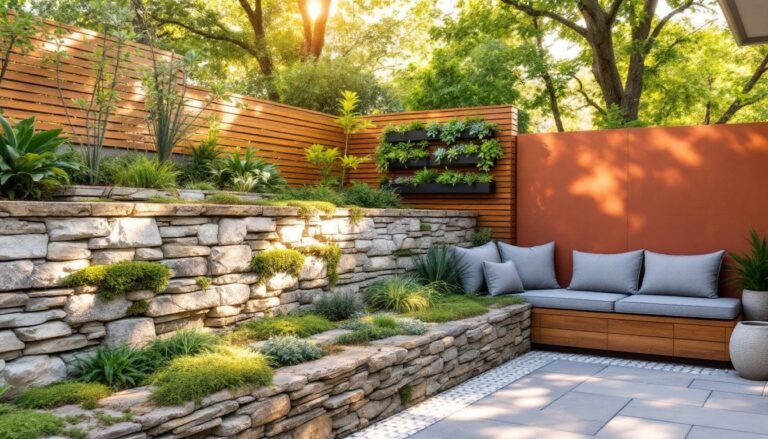
A memorial garden turns a simple grave into a living tribute. Start by defining the space with edging. Steel or aluminum landscape edging (4-6 inches tall) provides clean lines and prevents grass encroachment. Install it 6-12 inches out from the marker to create a planting bed.
Layer the soil properly. Remove existing grass and dig down 3-4 inches. Add landscape fabric to suppress weeds, then spread 2-3 inches of mulch (shredded hardwood or pine bark) or decorative stone. Mulch needs annual top-dressing: stone is lower maintenance but harder to plant through later.
Choose low-maintenance perennials suited to your zone. Groundcovers like creeping thyme, sedum, or ajuga fill space without overwhelming a small memorial. For vertical interest, plant compact varieties: dwarf coneflower, catmint, or ornamental grasses like blue fescue. Space plants according to their mature spread, crowding leads to poor air circulation and disease.
Consider a backyard entertaining space nearby if you want the memorial integrated into a larger garden area. A bench or seating area 8-10 feet away provides a place to sit without placing foot traffic directly over the grave.
Watering and drainage: Install a simple drip irrigation line if the memorial garden is far from a hose bib. Slope the planting bed slightly away from the grave marker to prevent water from pooling against stone or concrete. Poor drainage accelerates weathering and can cause markers to shift or sink.
Budget-Friendly Pet Memorial Ideas
Not every memorial requires stonework or custom engraving. A painted rock makes a simple, no-cost marker if you already have exterior paint. Choose a smooth river rock or flat fieldstone, clean it with soapy water, let dry completely, and paint with acrylic or spray paint. Seal with outdoor polyurethane. Total cost: under $10 if buying materials.
Repurposed materials work well for rustic memorials. Salvaged bricks, old pavers, or broken flagstone pieces can be arranged as a border or small cairn. Check Craigslist, Nextdoor, or local building material exchanges for free stone and concrete. Some landscape supply yards sell “second-quality” pavers with minor chips at 50-70% off.
Plant a memorial tree or shrub instead of a traditional marker. Dwarf varieties (3-5 feet mature height) like boxwood, dwarf Alberta spruce, or compact butterfly bush work in small yards. Dig the hole 2-3 times the root ball width, amend clay soils with compost, and mulch around the base. A small metal or wooden plant stake with your pet’s name completes the tribute. Cost: $20-40 for a 1-gallon shrub.
DIY concrete stepping stones offer another low-cost option. Use plastic molds (available at craft stores for $5-15), pour concrete, and embed decorative elements before it sets. These can be placed directly on the grave or used as a pathway leading to the site. Many home improvement guides cover concrete casting basics in detail.
Personalizing Your Pet’s Final Resting Place
Small details make a memorial feel intentional. Embed your pet’s collar, tags, or a favorite toy in a weatherproof shadow box mounted to a post or tree nearby. Use a box rated for outdoor use with a sealed backing, moisture will destroy fabric and paper items.
Create a custom tile mosaic on the marker surface. Outdoor ceramic tiles, broken china, or glass pieces can be adhered with thinset mortar and grouted for a colorful, durable finish. This works best on flat concrete or stone bases. Wear safety glasses when cutting tile, shards are sharp and unpredictable.
Add solar lighting for evening visibility. Small solar path lights or spotlights (around $10-20 each) stake directly into the ground and require no wiring. Position them to uplight the marker or illuminate surrounding plants. Rechargeable batteries in these units last 2-3 years before replacement.
Consider a memory stone or plaque with a meaningful quote. Cast bronze or aluminum plaques start around $40-60 from online monument suppliers. Mount them on a wooden post, brick pillar, or directly on a large stone using construction adhesive rated for outdoor use.
Personalize plantings with your pet’s favorite colors. If your dog loved playing near purple flowers, plant salvia or catmint. If your cat napped under yellow blooms, try coreopsis or black-eyed Susans. It’s a subtle connection that adds meaning without overt signage. When planning a backyard entertaining area, thoughtful placement ensures the memorial feels integrated rather than isolated.
Conclusion
Building a backyard pet memorial combines practical construction with personal meaning. Start by confirming local regulations and choosing a well-drained location. Select a marker that fits your skill level and budget, whether that’s a simple painted stone or a custom-poured concrete slab. Surround the site with low-maintenance plants and personal touches that reflect your pet’s personality. Done right, a backyard memorial becomes a natural part of the landscape and a lasting tribute to a companion who meant everything.