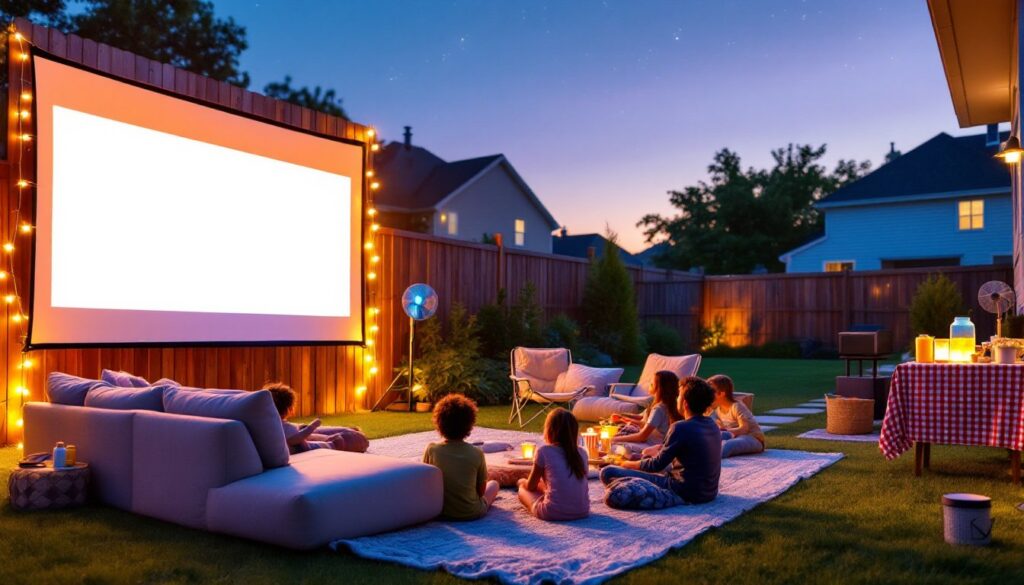
There’s something almost magical about watching a movie under the stars, no crowded theater, no sticky floors, just your backyard, a screen, and whoever you’ve invited. Setting up an outdoor cinema isn’t rocket science, but it does require more than tossing a bedsheet over the fence and hoping for the best. From projectors that actually deliver a clear image to keeping mosquitoes from turning your guests into a buffet, a great backyard movie night lives in the details. This guide walks through the gear, seating, ambiance, snacks, and weather prep needed to pull off a screening that’ll have neighbors asking for an invite.
Table of Contents
ToggleKey Takeaways
- A quality backyard movie night setup requires at least a 3,000-lumen projector, proper screen (120-inch pop-up or painted wall), and powered speaker—not built-in projector audio—to ensure clear visuals and dialogue for all guests.
- Seating comfort directly impacts the viewing experience; arrange chairs in stadium-style or use a mix of sectionals, bean bags, and blankets in a semicircle to prevent sight-line issues and accommodate different age groups.
- Strategic lighting using solar pathway lights and LED candles (never real candles near blankets) keeps guests safe without washing out the screen, while keeping bright décor behind or to the sides of the viewing area.
- An effective snack station with self-serve options like customizable popcorn bars, nacho stations, and pre-portioned s’mores kits prevents kitchen trips and keeps guests entertained throughout the movie.
- Weather-proofing your backyard movie night requires staking down screens with sandbags, positioning oscillating fans to deter weak-flying mosquitoes, and preparing a rain date or indoor backup plan starting three days in advance.
- Dew and moisture threats in evening hours demand raised, covered projector surfaces and pre-positioned tarps under seating to protect equipment and cushions from damage.
Essential Equipment for Your Outdoor Movie Setup
Choosing the Right Projector and Screen
The projector is the heart of any outdoor movie setup, and not all models are built for backyard duty. Look for a unit with at least 3,000 lumens of brightness, anything less struggles once ambient light from street lamps or porch fixtures creeps in. LCD and DLP projectors both work fine, but DLP models tend to handle motion better, which matters for action flicks. Battery-powered options exist, but most homeowners will run an extension cord from the house or garage: make sure it’s rated for outdoor use and kept away from foot traffic.
Screen choice comes down to budget and permanence. A 120-inch diagonal screen suits most yard sizes without requiring binoculars from the back row. Portable pop-up screens with stands are the easiest option, setup takes about five minutes, and they store flat in a garage or shed. DIY builders sometimes stretch white canvas or even outdoor-rated vinyl over a wood frame, which works if the material is taut and wrinkle-free. Skip the bedsheet myth: the weave lets light through and creates a dim, grainy picture. For a semi-permanent option, painting an exterior wall with screen-specific paint (yes, it exists) gives a smooth, reflective surface that’s always ready.
Sound matters more than most people expect. Built-in projector speakers are universally weak and tinny. A portable Bluetooth speaker with at least 20 watts handles smaller gatherings, but for 15-plus people, consider a powered PA speaker or connecting to a soundbar via an aux cable. Position speakers at ear level near the screen, not behind the audience, to keep dialogue clear.
Creating Comfortable Seating Arrangements
Comfort makes or breaks a two-hour movie outdoors. Camp chairs are fine for casual setups, but stadium-style arrangements prevent the dreaded “I can’t see” complaints. Slope the seating area slightly if the yard allows it, or use risers like stacked pallets with outdoor cushions for back rows.
Outdoor sectionals or weather-resistant sofas add a lounge vibe and work well for families. Arrange them in a semicircle facing the screen, leaving walkways on the sides. For a more relaxed setup, scatter oversized floor pillows and outdoor bean bags on a large area rug or a set of interlocking foam tiles. Blankets are non-negotiable, even summer nights cool down after sundown. Keep a basket of throws within reach.
If the crowd skews toward kids, lay down a picnic blanket or two in front, giving them room to sprawl without blocking adult sight lines. Hay bales wrapped in tarps or outdoor fabric double as seating and footrests, and they’re cheap if you’re near farm country. Just make sure they’re dry and not harboring insects. For larger outdoor entertaining setups, consider mixing seating types to accommodate different comfort preferences and age groups.
Setting the Perfect Ambiance With Lighting and Décor
Lighting has to walk a tightrope, enough to keep people from tripping over chair legs, but not so much that it washes out the screen. Solar pathway lights along walkways and around the seating perimeter do the job without running up the electric bill. String lights add charm, but keep them behind the audience or off to the sides: anything in the viewer’s field of vision competes with the screen.
For a softer glow, use LED candles in lanterns scattered around the seating area. Real candles are a fire hazard around blankets and dry grass, especially in late summer. If the yard has trees, drape sheer fabric or mosquito netting between trunks to create a canopy effect, it diffuses light and adds a bit of enclosure without feeling claustrophobic.
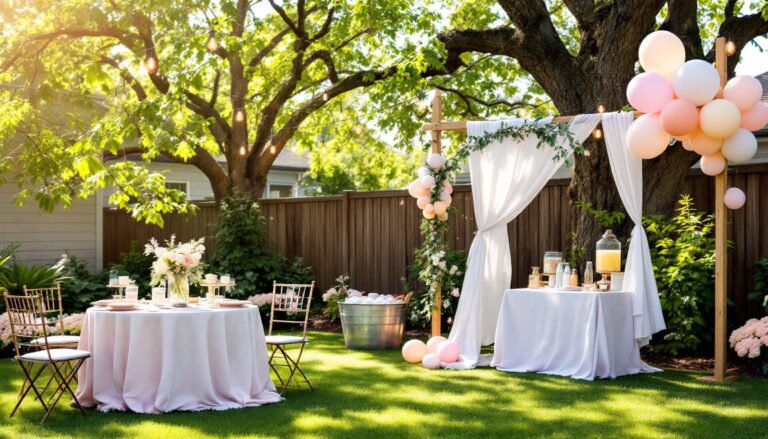
Skip the Pinterest overload. A movie night doesn’t need a themed dessert table with hand-lettered chalkboards. That said, a simple marquee sign made from a foam board and stick-on letters announcing the feature film is a nice touch for photos. Potted plants or tiki torches (placed well away from seating) can define the space without cluttering it. Many successful backyard patio entertaining spaces use minimal décor to keep the focus on the experience rather than the props.
Snack Stations and Refreshment Ideas
No movie is complete without snacks, and a backyard setup lets you go beyond stale popcorn. Set up a self-serve snack station on a folding table covered with a wipeable tablecloth. Classic concession fare, popcorn, candy, and soda, works, but offering variety keeps it interesting. Use galvanized buckets or large bowls for popcorn, and let people customize with toppings: melted butter, parmesan, ranch seasoning, or cinnamon sugar.
For a step up, add a nacho bar with tortilla chips, queso, salsa, jalapeños, and sour cream in separate containers. Keep hot items in slow cookers or insulated servers to avoid repeated trips to the kitchen. S’mores kits are an obvious win if there’s a fire pit nearby, pre-portion graham crackers, chocolate squares, and marshmallows in small bags so people can grab and go.
Drinks should be self-service to avoid playing bartender all night. A galvanized tub filled with ice holds canned sodas and bottled water: for a nicer look, use a beverage dispenser with lemonade or iced tea. Insulated tumblers or mason jars with lids prevent spills on blankets. If alcohol is on the menu, a simple cooler with beer and wine keeps things low-maintenance. According to Country Living‘s backyard movie guide, creative snack setups are among the most popular features for memorable outdoor screenings.
Weather-Proofing Your Movie Night Experience
Outdoor plans live and die by the weather forecast. Check it obsessively starting three days out, and have a rain date or indoor backup ready. Even if skies look clear, temperature swings after sunset can surprise people, especially in spring or fall. Remind guests to bring layers or keep a stash of hoodies and blankets on hand.
Wind is the silent killer of outdoor movie nights. It rattles screens, blows over lightweight décor, and turns napkins into tumbleweeds. Stake down pop-up screens with tent stakes or sandbags, and weight table coverings with clips or heavy bowls. If the forecast calls for gusts above 15 mph, consider postponing, projector images shake, and sound gets distorted.
Bugs are inevitable, but they’re manageable. Run a few oscillating fans around the seating area: mosquitoes are weak fliers and avoid moving air. Citronella candles or torches help, though their effectiveness is debatable. For serious pest pressure, a propane-powered mosquito trap placed upwind of the seating area cuts down on bites without spraying chemicals everywhere. Encourage guests to use bug spray, but keep it away from food stations.
Dew is another sneaky issue. As temps drop, moisture settles on blankets, cushions, and electronics. Lay down tarps under seating areas if grass is damp, and keep the projector on a raised, covered surface, a small folding table with a tarp canopy works. If dew is heavy or rain threatens, have plastic bins ready to quickly pack up gear. Creating weather-resistant backyard celebrations often means preparing for conditions to shift mid-event.
Conclusion
A backyard movie night doesn’t require a contractor or a Hollywood budget, just the right gear, a little planning, and attention to the details that keep people comfortable. Get the projector and sound dialed in, arrange seating so everyone can see, manage the lighting and weather, and keep the snacks flowing. Do that, and the backyard becomes the best seat in the house.