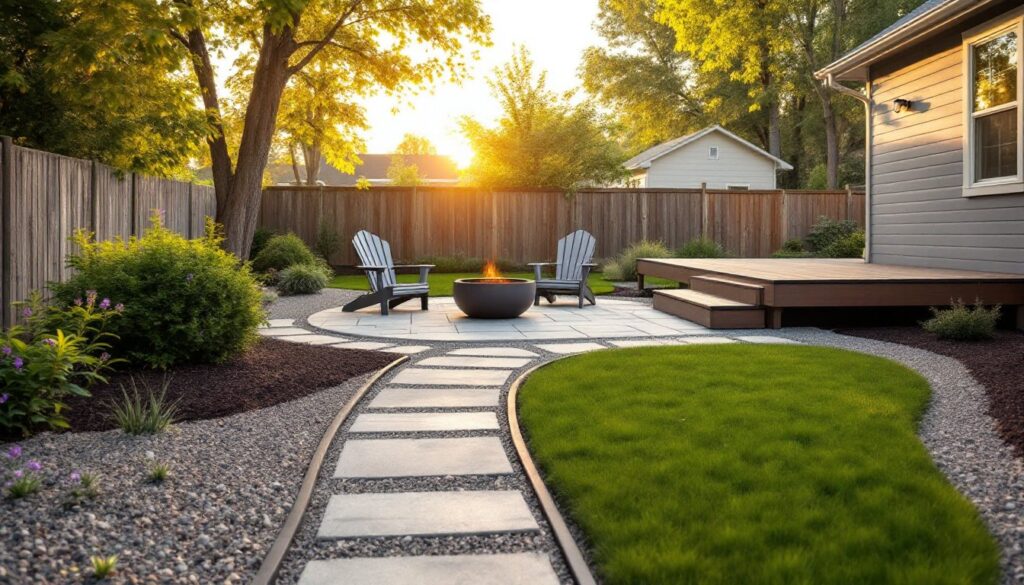
Tired of mowing, edging, and watering a lawn that browns out by mid-July? Ditching the grass doesn’t mean surrendering to a dirt patch. From gravel courtyards to clover carpets, lawn-free backyards can be more functional, easier to maintain, and better suited to dry climates or shady lots than traditional turf. Whether someone’s aiming to cut water bills, reclaim weekend hours, or create outdoor living space that doesn’t need constant upkeep, there are proven alternatives that deliver curb appeal without the weekly chore list.
Table of Contents
ToggleKey Takeaways
- Backyard ideas without grass can reduce outdoor water usage by 30–50% while eliminating weekly mowing, saving homeowners 50+ hours per year.
- Hardscape solutions like gravel, pavers, and decking cost $1.50–$6 per square foot and create functional outdoor living spaces suited to challenging soil or drainage conditions.
- Ground cover plants such as microclover and creeping thyme provide lawn-free alternatives that require minimal maintenance, attract pollinators, and establish full coverage within one to two seasons.
- Synthetic turf offers year-round green appearance with zero maintenance but comes at $5–$12 per square foot installed and can reach dangerous surface temperatures in direct sun.
- Mulch beds paired with native plants create resilient, low-impact yards that improve biodiversity while suppressing weeds and retaining soil moisture with minimal upkeep.
Why Skip the Grass? Benefits of a Lawn-Free Backyard
Traditional turf grass demands roughly 1 to 1.5 inches of water per week during the growing season, a steep bill in drought-prone regions or areas with tiered water pricing. Eliminating grass can slash outdoor water use by 30–50%, depending on the replacement strategy.
Maintenance time drops, too. Weekly mowing, seasonal aeration, fertilization, and weed control disappear when the lawn does. For homeowners juggling work, kids, or other projects, that’s 50+ hours a year back on the calendar.
Lawn-free designs also solve common yard problems: shaded areas where grass won’t thrive, sloped terrain prone to erosion, or compacted soil that fights root growth. Ground covers, hardscape, and mulch adapt to conditions that leave turf struggling.
Hardscape Solutions for Low-Maintenance Backyards
Gravel and Stone Landscaping
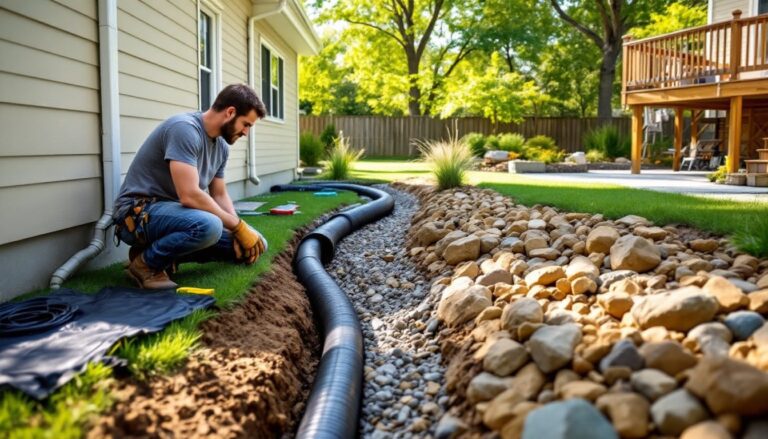
Decomposed granite (DG), pea gravel, and crushed stone create permeable, low-cost surfaces that handle foot traffic and drainage without puddling. DG compacts into a firm, natural-looking path or patio base, while 3/8-inch pea gravel offers a softer feel underfoot and works well around seating areas or fire pits.
Install a landscape fabric or woven geotextile barrier beneath gravel to suppress weeds without blocking water. Edging, steel, aluminum, or treated lumber, keeps stones in place and prevents migration into planting beds. Expect to rake and top-dress every couple of years as gravel settles or shifts.
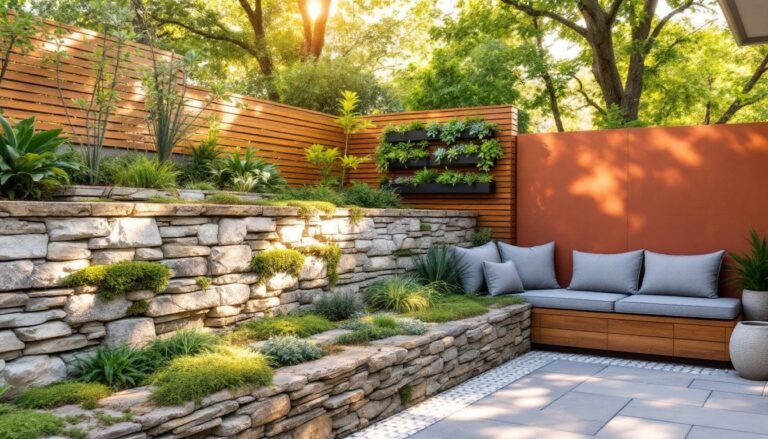
Flagstone or river rock accents add texture and visual interest. Flagstone works for natural stepping-stone paths: river rock fills gaps between pavers or highlights entertaining outdoor spaces. Gravel solutions typically run $1.50–$3 per square foot installed, depending on stone type and site prep, far less than sod installation and ongoing lawn care.
Pavers, Decking, and Patios
Concrete pavers, brick, and natural stone transform yard space into usable square footage. A 12×16-foot paver patio replaces 192 square feet of grass and creates a defined zone for grilling, dining, or lounging. Pavers install over a compacted gravel base (4–6 inches) and sand leveling course (1 inch), allowing water to permeate joints and reducing runoff.
Permeable pavers, interlocking units with wide joints or grid systems filled with gravel, meet stormwater requirements in many jurisdictions and prevent pooling. Check local codes: some municipalities mandate permeable surfaces for new hardscape over a certain size.
Pressure-treated lumber (rated for ground contact, .40 or higher retention) or composite decking extends living space over uneven or poorly draining soil. Composite resists rot and insect damage without staining or sealing, though it costs roughly $3–$6 per linear foot more than treated pine. Frame decks with doubled joists at beam connections and use joist hangers rated for the load: a 10×12 deck needs ledger board lag-bolted to the house rim joist (if attached) and footings below frost line to prevent heaving. Homes considering patio design options often pair decking with stone or gravel for layered, multi-use zones.
Ground Cover Plants That Replace Grass
Clover, especially microclover varieties like Trifolium repens ‘Pipolina’, stays green with minimal water, fixes nitrogen in the soil, and tolerates foot traffic. It blooms white flowers that attract pollinaries, so mow once or twice a season if a uniform look is preferred. Clover seed runs about $8–$12 per pound, covering roughly 4,000 square feet.
Creeping thyme (Thymus serpyllum) forms a fragrant, low-growing mat (2–3 inches tall) that handles light to moderate foot traffic and thrives in full sun with well-drained soil. It blooms pink or purple in summer and requires no mowing. Plant plugs or flats on 6-inch centers: expect full coverage in one to two seasons.
Creeping Jenny (Lysimachia nummularia), ajuga (Ajuga reptans), and sweet woodruff (Galium odoratum) work in partial to full shade where grass struggles. These spread via runners or rhizomes, filling gaps and suppressing weeds. Water until established (4–6 weeks), then reduce to occasional deep watering during dry spells.
Ground covers reduce mowing and watering but aren’t instant. Plan for mulch between young plants to prevent weeds while coverage fills in. According to lawn-free landscaping research, layered ground covers paired with native shrubs create resilient, low-impact yards that outperform turf in biodiversity and water efficiency.
Mulch, Bark, and Natural Material Options
Shredded hardwood mulch and bark nuggets cover soil, retain moisture, and break down into organic matter over time. A 3–4 inch layer suppresses most annual weeds and moderates soil temperature. Hardwood mulch costs roughly $25–$40 per cubic yard (covers about 100 square feet at 3 inches deep) and needs replenishing every 1–2 years as it decomposes.
Pine straw works well in acidic-soil regions (Southeast U.S.) and interlocks to resist washing on slopes. It’s lighter than bark and easier to spread, though it breaks down faster, plan to top-dress annually. Cypress mulch resists decay and repels some insects but is often harvested unsustainably: look for certified sources or choose local alternatives.
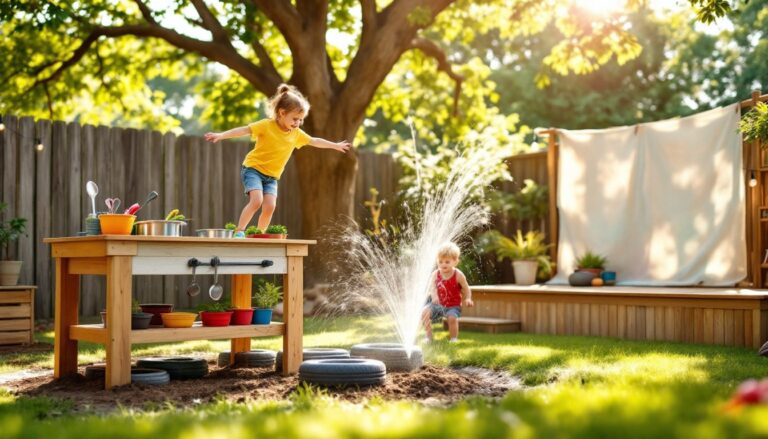
For play areas or child-friendly spaces, playground-grade wood chips (ASTM F1292 compliant) provide impact attenuation. Install over landscape fabric and refresh as chips compact. Avoid placing mulch directly against building foundations: maintain a 6-inch clearance to prevent moisture wicking and termite access.
Mulch beds pair well with native shrubs, ornamental grasses, or perennials. Edge beds with steel or poly landscape edging to keep mulch contained and create clean sightlines.
Artificial Turf and Synthetic Lawn Alternatives
Modern synthetic turf has come a long way from the plastic carpet of the ’80s. Today’s products feature varied blade heights, thatch layers, and UV stabilization to resist fading. Quality residential turf runs $5–$12 per square foot installed, including base prep, drainage, and seam taping.
Installation requires a compacted aggregate base (crushed rock or decomposed granite), landscape fabric, and infill, typically silica sand or antimicrobial crumb rubber, to weight the turf and support blade structure. Proper drainage is critical: pooling water and poor grading lead to odor and mold. Slope the base at least 1–2% grade away from structures.
Pros: Zero mowing, watering, or fertilizing. Stays green year-round. Handles high traffic (pets, play areas) without bare spots. Many backyard entertaining setups incorporate turf zones for a soft, finished look without grass care. Resources like Better Homes & Gardens feature project galleries showcasing synthetic turf in small urban yards and dog runs.
Cons: High upfront cost. Turf absorbs and radiates heat, surface temps can hit 140–160°F in direct summer sun, making it uncomfortable barefoot. Infill requires occasional raking to keep blades upright. Lifespan is 10–20 years depending on quality and use: after that, it’s landfill-bound unless a recycling program is available locally.
Synthetic turf works best in high-traffic, low-water climates or where live grass won’t grow (deep shade, tree root zones). Pair it with shade sails or pergolas to manage heat, and hose it down before use on hot days.