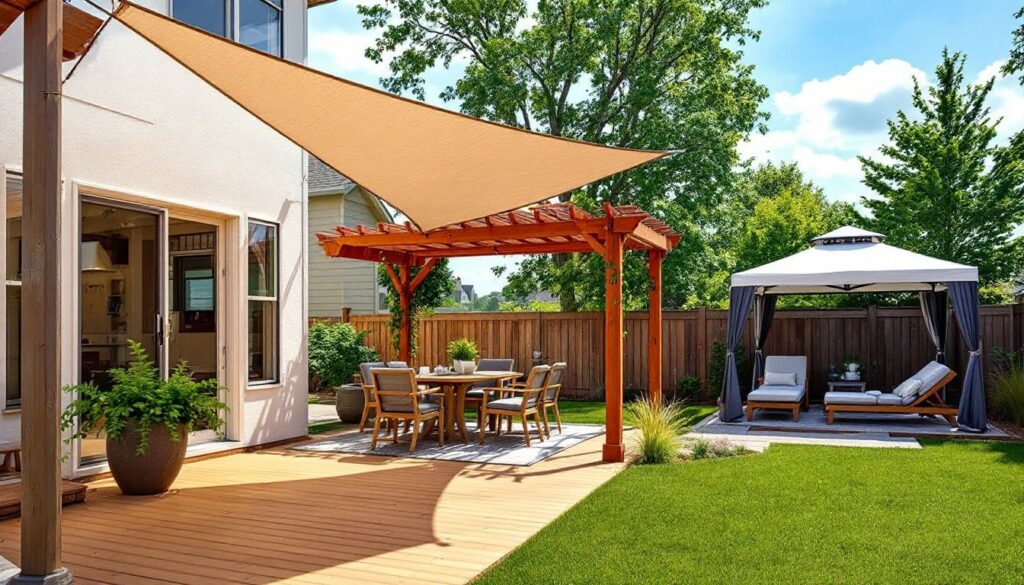
When summer heat turns a backyard into a sun-scorched wasteland, shade stops being a luxury and starts being survival. Whether hosting a cookout or just trying to enjoy morning coffee without squinting, a well-placed canopy transforms outdoor spaces from unusable to indispensable. The right shade solution doesn’t just drop temperatures, it extends living areas, protects furniture from UV damage, and creates comfortable zones for everything from dining to lounging. From modern tensioned sails to classic pergola toppers, today’s canopy options blend function with serious curb appeal.
Table of Contents
ToggleKey Takeaways
- A canopy shade solution can lower outdoor temperatures by 15–25°F while protecting furniture from UV damage and reducing home cooling costs by 20–40%.
- Retractable canopy systems offer flexibility for changing coverage needs throughout the day, with motorized options featuring smart home integration and wind sensors starting around $1,500.
- Shade sails provide modern, affordable backyard protection using HDPE material that blocks 85–98% of UV rays, with installation costs ranging from $60–$500 depending on size and configuration.
- Pergola canopies combine permanent architectural structure with flexible shade options through removable fabric panels, slide-wire systems, or living vines like wisteria and clematis.
- Portable pop-up canopy tents solve temporary shade needs for renters and events, though proper anchoring with weight bags or stakes is essential for safety in wind gusts above 15 mph.
- Hardtop gazebos represent the premium canopy option with 15–25 year lifespans, though they require building permits, proper footings, and electrical work for integrated lighting and fans.
Why Your Backyard Needs a Canopy Shade Solution
Direct sun exposure can push surface temperatures on patios and decks past 140°F on summer afternoons, making spaces unusable during peak hours. A canopy drops temperatures underneath by 15–25°F, creating usable square footage that otherwise sits empty six months of the year.
Beyond comfort, shade protects investment. UV radiation degrades outdoor furniture fabrics, fades cushions, and warps composite decking. Wood furniture left unprotected can crack and split as moisture cycles accelerate under constant sun. A canopy extends the lifespan of these materials by years.
Energy costs drop too. Shading adjacent walls and windows reduces heat gain inside the home, cutting cooling loads by 20–40% depending on sun exposure and home orientation. South- and west-facing areas see the biggest impact.
For homeowners planning regular outdoor entertaining, shade becomes essential infrastructure. Guests won’t linger in full sun, and food service gets complicated when temperatures soar. A fixed or flexible canopy turns a backyard into a year-round venue rather than a seasonal afterthought.
Retractable Canopy Systems for Flexible Coverage
Retractable canopies offer the best of both worlds: full shade when needed, open sky when desired. These systems mount to fascia boards, ledger beams, or freestanding posts, with fabric panels that extend and retract via manual crank or motorized controls.
Manual vs. Motorized: Hand-crank models cost $300–$1,200 installed for an 8×10-foot coverage area and require no electrical work. Motorized versions run $1,500–$4,000+ but include remote controls and can integrate with smart home systems. Wind sensors auto-retract the canopy during storms, preventing damage.
Mounting Requirements: Wall-mounted units need solid attachment into studs or blocking behind siding. Fascia boards alone won’t hold, most systems require lag bolts into the rim joist or ledger board. Freestanding frames work for homes where wall mounting isn’t feasible but add $400–$800 to project costs.
Fabric Choices: Acrylic fabrics (Sunbrella and similar brands) offer UV resistance, mildew resistance, and 5–7 year lifespans with proper care. Cheaper polyester fades within 2–3 seasons. Expect 85–95% UV blockage depending on fabric weight and weave density.
These systems shine for patio entertaining areas where coverage needs change throughout the day. Morning coffee might call for full sun: afternoon grilling demands shade. That flexibility justifies the higher upfront cost compared to fixed canopies.
Shade Sails: Modern and Affordable Backyard Protection
Shade sails bring contemporary design and serious coverage at DIY-friendly price points. These tensioned fabric panels mount between anchor points, posts, walls, or existing structures, creating dramatic angles and overlapping coverage zones.
Material and Sizing: Commercial-grade HDPE (high-density polyethylene) sails block 85–98% of UV rays and resist mildew and tearing. Sizes run from compact 10×10-foot squares to sprawling 20×30-foot rectangles. Triangular sails ($60–$200) fit tight corners: rectangles ($150–$500) cover dining or seating areas. Colors matter, darker fabrics block more light but absorb heat. Light grays and tans balance shade with heat reflection.
Installation Basics: Each corner requires a mounting point capable of handling 200–400 pounds of lateral tension. Properly set 4×4 pressure-treated posts in concrete footings work for most residential setups, dig 30–36 inches deep, below frost line. Wall anchors need to hit solid framing, not just siding or brick veneer. Use stainless steel hardware throughout: regular steel rusts within a season.
Tensioning: Turnbuckles at each corner let you fine-tune fabric tension. Proper tension prevents sagging and water pooling during rain. Under-tensioned sails flap in wind and wear out quickly. Over-tensioning can pull anchors loose or tear fabric. Aim for drum-tight fabric with slight curvature, not flat planes.
According to guides on shade sails from Better Homes & Gardens, overlapping multiple smaller sails creates visual interest while providing better coverage than one large panel. Stagger heights to improve drainage and add dimension.
DIY Pergola Canopies with Fabric or Vines
Pergolas offer permanent structure with flexible canopy options. The framework, typically 4×4 or 6×6 posts supporting 2×6 or 2×8 rafters and cross beams, creates architectural interest even before adding shade materials.
Fabric Canopy Toppers
Removable Panels: Canvas or outdoor fabric panels drape over rafters, secured with grommets and hooks or ties. This allows seasonal removal for winter storage, extending fabric life. Measure rafter spacing carefully, standard 16-inch or 24-inch on-center spacing accommodates off-the-shelf panel widths. Fabric costs $8–$20 per yard for outdoor-grade materials.
Slide-Wire Systems: Commercial pergola canopy kits ($300–$800) include tensioned wires and fabric panels that slide open and closed along tracks. Installation requires level wire mounting and proper tensioning hardware. These work well for backyard design projects where adjustable coverage matters more than the permanent look of vines.
Living Canopies
Vines create zero-maintenance shade once established but require patience. Wisteria grows aggressively (sometimes too aggressively) and delivers spectacular spring blooms but needs annual pruning to prevent structural damage. Grapevines provide dense summer shade and edible fruit but require winter pruning and training. Clematis offers lighter coverage with colorful flowers and less aggressive growth, better for smaller pergolas.
Pergola construction requires checking local codes for setback requirements and frost-depth footings. Posts need concrete footings 12–18 inches in diameter, extending below frost line. Most jurisdictions don’t require permits for detached pergolas under 200 square feet, but verify locally. Structural lumber choices include pressure-treated pine (budget-friendly, requires annual sealing), cedar (naturally rot-resistant, ages to gray), or composite materials (maintenance-free but pricey at $25–$40 per linear foot).
Resources like Gardenista’s pergola guides break down design considerations including rafter spacing, beam span limits, and integration with existing hardscaping.
Pop-Up and Portable Canopy Tents for Versatile Spaces
Portable canopies solve temporary shade needs without permanent installation. These work for renters, event hosting, or testing shade placement before committing to fixed structures.
Frame Types: Straight-leg canopies ($100–$300 for 10×10-foot models) maximize usable space underneath but offer less wind resistance. Slant-leg versions ($60–$150) trade footprint for stability, better in open areas with steady breeze. Commercial-grade frames use aluminum or steel tubing: residential models often use lighter aluminum or even fiberglass ribs.
Canopy Materials: Polyester tops cost less ($60–$120) but fade and tear within 1–2 seasons of regular use. Polyethylene tarps are waterproof and cheap but trap heat. Upgraded canopies use 500–600 denier polyester with PU or PVC coating, offering better UV resistance and 3–4 year lifespans. White and light colors reflect heat: darker colors provide denser shade but get uncomfortably hot underneath.
Anchoring: Never skip anchoring. Unanchored canopies become dangerous projectiles in wind gusts above 15 mph. Use weight bags (25–40 pounds per leg) on hard surfaces, or stake through anchor plates into soil. Some models include reinforced corner grommets for tie-down straps, use these. Sidewalls block wind but increase sail effect: remove them when wind picks up.
Setup Tips: Pop-up frames deploy in 2–5 minutes with two people. Extend legs fully before locking frame into place, partial extension creates instability. Check all connection points before each use: worn pins or bent frames compromise safety. Store with canopy dry to prevent mildew: even “mildew-resistant” fabrics will develop odor and stains if stored wet repeatedly.
These portable options complement fixed shade for special events or seasonal use cases where entertaining setups need temporary expansion beyond permanent structures.
Permanent Gazebo Canopies for Year-Round Comfort
Hardtop gazebos represent the premium end of backyard shade, permanent structures with solid roofs that handle weather year-round and add significant property value.
Roof Materials: Polycarbonate panels ($800–$2,000 for 10×12-foot coverage) are impact-resistant, block UV rays, and allow filtered light through. They resist hail and won’t shatter like acrylic. Metal roofs, steel or aluminum ($1,200–$3,500), provide complete shade and shelter from rain but create darker spaces underneath. Some designs incorporate ventilation cupolas to reduce heat buildup.
Structural Considerations: Permanent gazebos require proper footings, either concrete piers, poured footings, or anchored deck mounts. Local building codes typically kick in for structures over 120 square feet or those with solid roofs. Permit requirements vary widely: check with local building departments before purchasing. Inspection may be required for electrical work if adding lighting or fans.
Frame Materials: Aluminum frames ($1,000–$4,000) resist rust and need no maintenance but can flex in high winds. Steel frames ($1,500–$5,000+) offer superior strength but require powder-coating or rust-resistant finishes. Wooden gazebos ($2,000–$8,000) deliver traditional aesthetics but demand annual sealing and inspection for rot, particularly at ground contact points.
Electrical Integration: Many homeowners add ceiling fans, lighting, or outlets. This requires running buried conduit from the house or a dedicated circuit, work that typically needs permits and often benefits from hiring a licensed electrician. NEC codes require GFCI protection for outdoor outlets and weatherproof boxes for all connections.
For those seeking year-round backyard usability, especially in regions with unpredictable weather, hard-top gazebos transition outdoor spaces into true outdoor rooms. The upfront investment runs higher than fabric solutions, but lifespan stretches 15–25 years with minimal maintenance. Ideas from home improvement resources like The Spruce show how integrated lighting and furniture placement turn gazebos into extension of indoor living space.
Conclusion
The right canopy shade solution depends on budget, permanence needs, and how the space gets used. Renters and budget-conscious DIYers start with portable or sail options. Homeowners committed to long-term outdoor living invest in retractable systems, pergolas, or gazebos. Whatever the approach, proper installation and anchoring aren’t optional, they’re safety requirements. Take time to plan placement, verify structural requirements, and check local codes. A well-executed shade project turns unusable space into the most popular room in the house.