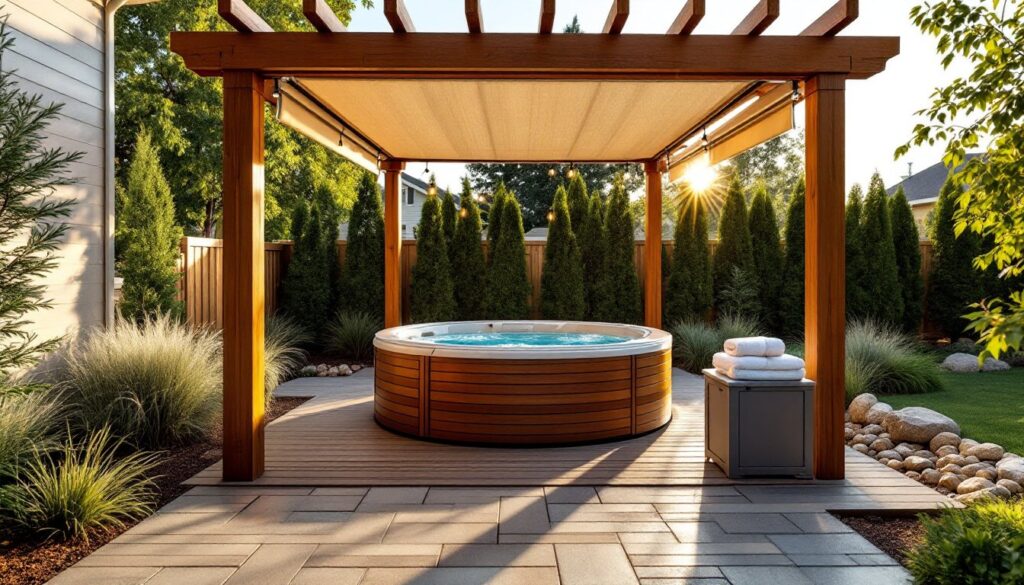
Adding a hot tub to a <a href="https://learncozy.com/entertaining-backyard-designs/”>backyard isn’t just about plopping down a tub and calling it done. It’s about creating a functional, comfortable space that handles water, electrical, and structural demands while looking like a deliberate design choice instead of an afterthought. Whether working with a compact patio or a sprawling yard, the right planning turns a basic installation into a year-round retreat. This guide walks through the practical decisions, site prep, privacy structures, decking materials, lighting, and landscaping, that make the difference between a hot tub that works and one that becomes the centerpiece of the backyard.
Table of Contents
ToggleKey Takeaways
- Hot tub backyard ideas require proper site preparation with a 4–6 inch concrete pad or compacted gravel base to support 3,000–6,000 pounds of weight and prevent settling.
- Electrical access is non-negotiable—most hot tubs need a dedicated 240-volt circuit with GFCI protection installed by a licensed electrician, costing $500–$2,000 for new installations from the main panel.
- Natural privacy screening with evergreen hedges (like Arborvitae) or pergolas provides year-round coverage while maintaining yard aesthetics and should be planted at least 5 feet from the tub to avoid plumbing and electrical interference.
- Composite decking and textured pavers are superior to smooth surfaces because they resist moisture, prevent slipping when wet, and last 25+ years with minimal maintenance compared to treated lumber.
- Layered lighting—including low-voltage path lights, recessed deck lights, and string lights—extends usability while ambient and accent lighting create a resort-like spa atmosphere safely.
- Plan your hot tub backyard layout with landscaping, storage solutions, and optional water features while maintaining 10–15 feet of clearance from fire pits and keeping evergreens rather than deciduous trees nearby to minimize debris.
Choosing the Perfect Location for Your Hot Tub
Location dictates everything: access to utilities, structural support, and how often the hot tub actually gets used. Start with a level surface. Most hot tubs weigh 3,000–6,000 pounds when filled with water and occupants, so the base needs to handle that load without settling or cracking.
Concrete pads are the gold standard, 4–6 inches thick with rebar reinforcement and a slight slope for drainage. Gravel bases work for above-ground models if compacted properly (at least 4 inches of crushed stone, tamped in layers). Avoid placing a hot tub directly on soil or grass: it will sink.
Electrical access is non-negotiable. Most hot tubs require a dedicated 240-volt circuit with GFCI protection, installed by a licensed electrician per NEC (National Electrical Code) standards. Running new electrical from the main panel can cost $500–$2,000 depending on distance and whether trenching is required. Check local codes, some jurisdictions require permits for electrical work and hot tub installations.
Proximity to the house matters for convenience, but don’t box yourself into a tight corner. Leave at least 3 feet of clearance on all sides for maintenance access to panels, pumps, and filters. Consider prevailing winds, a sheltered spot reduces heat loss and keeps debris out of the water.
Privacy and Enclosure Ideas for Hot Tub Areas
Privacy transforms a hot tub from an exposed fixture into a true escape. The approach depends on budget, yard layout, and how permanent the solution needs to be.
Natural Screening With Plants and Hedges
Evergreen hedges provide year-round coverage. Arborvitae (Thuja) grows 10–15 feet tall and tolerates tight spacing, plant them 3–4 feet apart for a dense screen within a few years. Skip laurel (Prunus laurocerasus) thrives in partial shade and grows quickly, reaching 6–8 feet in 3–5 years.
For a softer look, combine shrubs with ornamental grasses like miscanthus or bamboo (clumping varieties only, running bamboo spreads aggressively and requires root barriers). Space plants far enough from the hot tub to avoid root interference with plumbing and electrical lines, at least 5 feet.
Potted plants work for renters or anyone avoiding permanent landscaping. Large planters with Italian cypress or boxwood can be repositioned seasonally. Just note that container plants need consistent watering and may not survive harsh winters without protection.
Pergolas, Gazebos, and Covered Structures
Pergolas offer partial coverage and architectural definition without blocking views entirely. Standard pergola kits use pressure-treated lumber (4×4 or 6×6 posts) or composite materials that resist moisture and rot. Space rafters 16–24 inches on center and add retractable shade cloth or polycarbonate panels for weather protection.
A gazebo provides full overhead coverage and better wind protection. Prefab kits in cedar or vinyl start around $2,000–$5,000 for an 10×10-foot footprint, but custom builds with integrated lighting and electrical outlets can run $8,000+. Anchor posts to concrete footings below the frost line (depth varies by region, check local building codes).
For entertaining spaces that extend beyond soaking, consider pairing a hot tub area with outdoor bar setups that create a cohesive lounge zone. If building a permanent structure, verify setback requirements and HOA restrictions. Some municipalities classify gazebos as accessory structures requiring permits.
Decking and Flooring Options Around Your Hot Tub
The surface around a hot tub takes constant exposure to water, chlorine, and foot traffic. Pick materials that resist slipping, staining, and warping.
Composite decking (brands like Trex, TimberTech, or Azek) handles moisture better than wood and doesn’t splinter. Look for boards with textured surfaces for traction when wet. Install with a 1/4-inch gap between boards for drainage and thermal expansion. Composite costs $4–$8 per square foot for materials, plus labor.
Pressure-treated lumber is budget-friendly ($2–$4 per square foot) but requires annual sealing to prevent rot and graying. Use 5/4×6 decking boards spaced 1/8–1/4 inch apart. Treated lumber lasts 10–15 years with proper maintenance, composite can go 25+ years.
Pavers (concrete, natural stone, or porcelain) offer durability and design flexibility. Set them on a compacted gravel base (4–6 inches) with polymeric sand between joints to prevent shifting. Textured or tumbled finishes reduce slip risk. Natural stone like bluestone or flagstone costs $10–$30 per square foot: concrete pavers run $3–$10.
Poured concrete works if stamped or broom-finished for traction. A smooth troweled surface becomes a skating rink when wet. Plan for a 2% slope away from the hot tub for drainage. Concrete runs $6–$12 per square foot installed.
Avoid smooth tile, untreated wood, or any surface that becomes slick when wet. Install non-slip mats or rubber treads on steps if using inherently smooth materials.
Lighting Design to Enhance Your Hot Tub Experience
Good lighting extends usability and improves safety. Layer three types: task lighting for steps and pathways, ambient lighting for general visibility, and accent lighting for mood.
Low-voltage LED path lights (12-volt systems) mark walkways and stairs without glare. Space them 6–8 feet apart along paths leading to the hot tub. Many kits include a transformer and wire, total cost runs $100–$300 for 6–10 fixtures.
Recessed deck lights (also called step lights) mount flush in decking or risers. Use IP65-rated fixtures to handle moisture exposure. Wire them into the hot tub’s electrical circuit or run a separate low-voltage line. Install one light per step and at grade changes.
String lights or cafe lights add ambient glow without harsh brightness. Hang them from pergola beams, fence posts, or dedicated poles. Choose commercial-grade strands with Edison-style LED bulbs, they use less energy and last longer than incandescent versions. Secure strands with insulated guide wires to prevent sagging.
Underwater LED lights (if the hot tub doesn’t have built-in jets with lighting) create a resort vibe. Retrofit kits are available for older models. Some homeowners also use patio design strategies that incorporate uplighting on trees or architectural features near the hot tub.
All outdoor electrical work requires GFCI protection and weatherproof enclosures. If running new circuits, hire a licensed electrician, DIY electrical work on outdoor fixtures can void insurance and violate code.
Landscaping and Decorative Elements for a Spa-Like Atmosphere
Landscaping softens hardscapes and creates visual interest. Focus on low-maintenance plants that tolerate moisture and won’t shed debris into the water.
Ornamental grasses like fountain grass (Pennisetum) or blue fescue add texture without heavy leaf drop. Plant them 3–4 feet from the hot tub edge to avoid root intrusion.
River rock or pea gravel beds around the perimeter provide drainage and a clean look. Lay landscape fabric underneath to suppress weeds. A 2–3 inch layer of gravel costs $30–$50 per cubic yard.
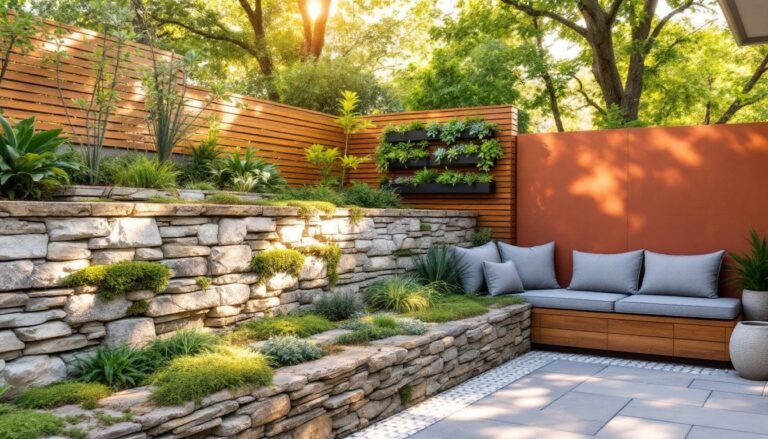
Decorative boulders anchor corners or break up flat surfaces. Source locally to save on shipping, natural stone weighs 150+ pounds per cubic foot. Position boulders before installing the hot tub to avoid moving them later.
Outdoor rugs (made from polypropylene or recycled plastic) define the seating area and add comfort underfoot. Choose fade-resistant materials rated for wet conditions. Hose them off regularly to prevent mildew.
Privacy screens made from lattice, slatted wood, or metal panels can be freestanding or fence-mounted. Paint or stain wood screens with exterior-grade finishes to resist moisture. Metal screens (aluminum or powder-coated steel) won’t warp but may need touch-up paint if scratched.
For a cohesive outdoor entertaining zone, explore backyard design ideas that integrate hot tubs with seating, fire features, and dining areas. Resources like Better Homes & Gardens offer seasonal landscaping inspiration suited to different climates.
Water features, small fountains or ponds, add ambient sound. Keep them at least 10 feet from the hot tub to avoid electrical conflicts and simplify plumbing. If adding a fire pit or outdoor fireplace, maintain 10–15 feet of clearance from the hot tub per fire safety guidelines.
Storage solutions matter. A weatherproof deck box (120+ gallon capacity) holds towels, chemicals, and cleaning tools. Mount a towel bar or hooks on a nearby wall or post. If building a pergola, integrate shelving or cubbies into the structure for convenient storage.
Avoid planting directly above the hot tub, falling leaves, blossoms, and sap increase maintenance. Evergreens and grasses work better than deciduous trees. For design inspiration on creating functional outdoor zones, Hunker provides project ideas that balance aesthetics with practical upkeep.
Finally, consider sound systems. Bluetooth-enabled outdoor speakers (rated for weather exposure) mount to pergola beams or fence posts. Some hot tub models include integrated audio, but standalone systems offer better sound quality. Run speaker wire through conduit to protect connections from moisture.
Building a spa-like retreat isn’t about buying every accessory, it’s about selecting materials and features that fit the space, climate, and how the hot tub will actually be used. Measure twice, prep thoroughly, and don’t skip structural or electrical fundamentals. The result is a backyard feature that works as hard as it looks good.