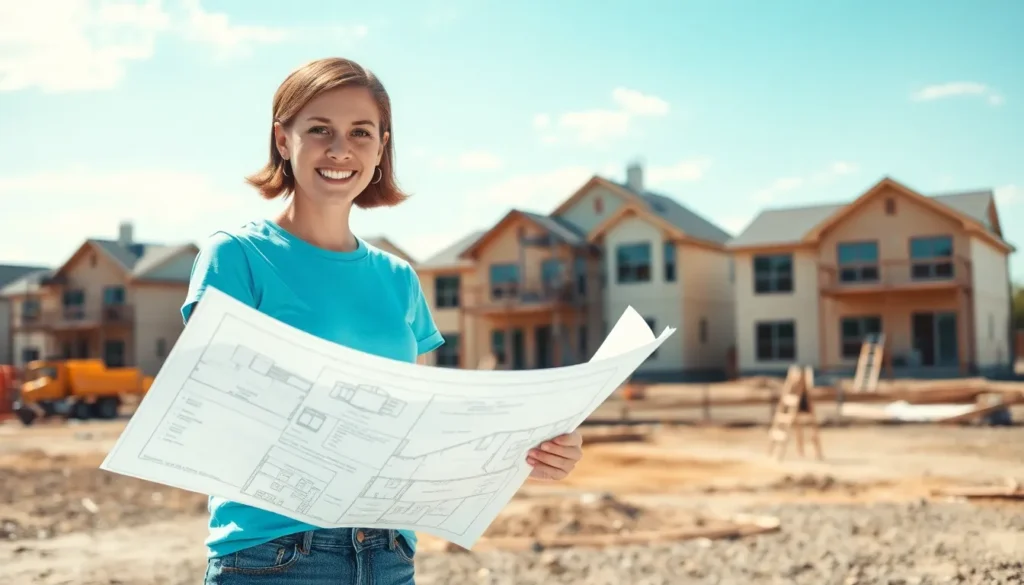
Building a home doesn’t have to feel like trying to find a unicorn in a haystack. With rising costs and endless choices, many feel overwhelmed when it comes to affordable home building. But fear not! There are smart strategies and innovative solutions that make crafting your dream home more attainable than ever.
Imagine a space that reflects your style without sending your wallet into a tailspin. It’s possible with the right approach. Whether you’re a first-time buyer or looking to downsize, affordable home building can be both practical and enjoyable. Let’s dive into the world of budget-friendly construction, where creativity meets cost-efficiency, and dreams come true without breaking the bank.
Understanding Affordable Home Building
Affordable home building makes it possible for individuals and families to secure quality housing without facing crippling debt. Emphasizing cost-effective solutions ensures a wider range of options for buyers at various price points.
Definition of Affordable Housing
Affordable housing refers to residences that do not exceed a set percentage of a household’s income. Generally, housing costs should account for no more than 30% of a family’s gross income. Local governments often define affordability based on regional income levels and housing costs, varying from urban to rural areas. Solutions to this issue include government programs, community land trusts, and innovative building designs that enhance cost efficiency without sacrificing quality.
Importance of Affordability in Home Building
Affordability plays a crucial role in making home ownership accessible. Many individuals face challenges from rising market prices and stagnant wages. Developers’ focus on affordability can improve communities by integrating diverse housing options, thus attracting various residents. Affordable homes stimulate local economies, as new owners contribute to local services and businesses. Prioritizing affordability fosters stability, supporting families in building wealth while enhancing their quality of life.
Benefits of Affordable Home Building
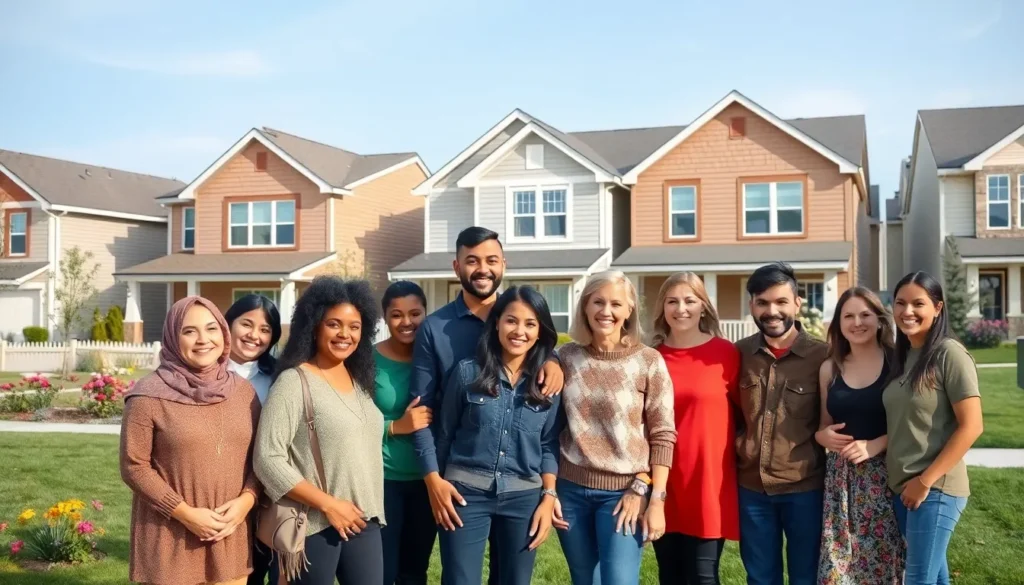
Affordable home building provides significant advantages that enhance both personal finances and community welfare.
Economic Advantages
Lower construction costs lead to significant financial savings for homeowners. Reducing expenses opens up opportunities for families to invest in other areas, such as education and retirement. Using local materials and labor keeps funds circulating within the community, resulting in job creation. Savings on utilities from energy-efficient designs further lower living costs. Access to affordable housing options encourages property investment, contributing to long-term wealth accumulation. Overall, affordable home building creates an economically viable path to home ownership, fostering financial stability.
Social Impact
Building affordable homes addresses critical social needs. Improved access to housing allows families to live in safe, stable environments. Increased availability of affordable options enhances diversity within neighborhoods, fostering inclusive communities. Home ownership contributes to individual empowerment and a sense of belonging. Additionally, affordable home building encourages local engagement through community planning and development. Strengthened communities improve overall quality of life, reducing crime rates and increasing educational opportunities for residents. Each of these factors plays a crucial role in promoting social equity and cohesion.
Key Strategies for Affordable Home Building
Affordable home building becomes achievable through smart strategies that maximize cost efficiency without sacrificing quality. The following key strategies can significantly lower expenses and enhance sustainability.
Innovative Design Concepts
Utilizing innovative design concepts reduces construction costs effectively. Open floor plans minimize materials while creating spacious environments. Prefabricated elements speed up the building process and lower labor costs. Modular designs allow for easy expansion and adaptability, catering to changing family needs. Energy-efficient layouts enhance natural light and ventilation, reducing utility expenses over time. Embracing minimalist aesthetics often leads to fewer materials and lower overall expenses, maximizing affordability while maintaining style.
Sustainable Materials
Choosing sustainable materials greatly impacts affordability in home building. Renewable resources, such as bamboo and reclaimed wood, offer cost-effective options that are eco-friendly. Locally sourced materials help reduce transportation costs, while supporting local economies. Energy-efficient products, like insulated windows and green roofs, lower long-term energy expenses. Low-VOC paints and finishes contribute to improved indoor air quality, benefiting homeowners’ health without significant additional costs. Avoiding high-maintenance materials further aids budget management by minimizing repair and replacement needs.
Challenges in Affordable Home Building
Affordable home building faces various challenges that can complicate the process. Addressing these obstacles requires a clear understanding of the key issues.
Regulatory Hurdles
Regulatory hurdles often impede affordable home construction. Zoning laws can restrict land use and limit available property types, making it difficult to find suitable locations for new homes. Permitting processes frequently involve lengthy timelines and complicated requirements, causing delays in project completion. Additionally, building codes may impose high standards that elevate construction costs, limiting developer flexibility. Thus, navigating these regulations is essential for keeping projects on track and within budget.
Financing Obstacles
Financing obstacles significantly affect the affordability of home building. High interest rates can restrict access to loans for potential homeowners. Many lenders impose strict credit requirements, making it challenging for first-time buyers or those with lower incomes to secure financing. Government programs aimed at supporting affordable housing often involve complex application processes, leading to extended delays. As a result, the availability of funding sources can directly impact the feasibility of affordable housing projects, stalling progress in this critical sector.
Affordable home building offers a pathway to homeownership that many may think is out of reach. By embracing innovative strategies and sustainable practices, individuals can create beautiful homes without breaking the bank. The focus on affordability not only supports families but also strengthens communities and stimulates local economies.
As more people recognize the value of cost-effective construction, the dream of owning a home becomes attainable. With the right approach and resources, anyone can navigate the complexities of building a home that meets both their financial needs and personal aspirations. Affordable home building is not just a possibility; it’s a reality waiting to be explored.