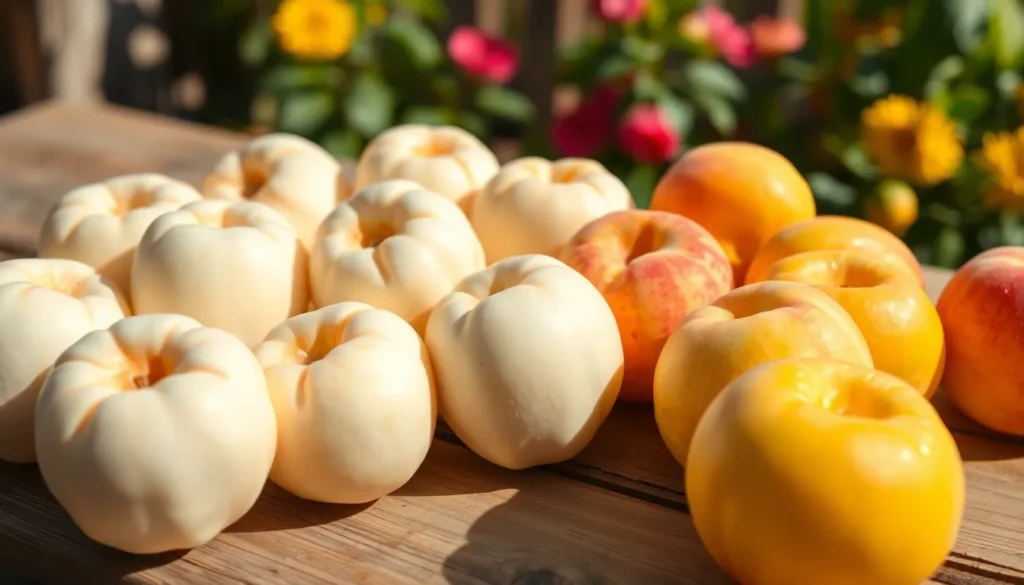
Peaches are a summer staple, delighting taste buds with their juicy sweetness and vibrant colors. Among the many varieties, white and yellow peaches stand out, each offering a unique flavor profile and culinary versatility. While both types share similar textures, the differences in taste and appearance can influence which one to choose for a dish or snack.
White peaches are known for their delicate sweetness and low acidity, making them perfect for fresh eating or desserts. In contrast, yellow peaches pack a bolder flavor with a hint of tartness, ideal for savory dishes and canning. Understanding these differences can elevate any peach lover’s experience, whether they’re biting into a juicy slice or incorporating them into a recipe.
Overview Of Peaches
Peaches are a popular summer fruit known for their juicy texture and sweet flavor. They belong to the Prunus genus, which includes plums, cherries, and apricots. Peaches can be categorized into two main types: white peaches and yellow peaches.
White peaches feature a smooth, pale skin with a soft flesh that offers a delicate sweetness. Their low acidity contributes to a mild flavor profile, making them ideal for fresh consumption, desserts, and salads. Chefs often incorporate white peaches into desserts such as tarts or ice creams due to their sweetness.
Yellow peaches, on the other hand, exhibit a vibrant yellow-orange skin and a firmer flesh. Their higher acidity gives them a balanced flavor that combines sweetness and slight tartness. This characteristic makes yellow peaches suitable for savory dishes, such as salsas and salads, as well as preserving and canning. Many recipes call for yellow peaches to add a bold punch to various dishes.
Both types of peaches boast numerous health benefits. They are rich in vitamins A and C, minerals like potassium, and dietary fiber. Additionally, they contain antioxidants that promote overall health and well-being.
Choosing the right peach type can enhance culinary experiences. Understanding the differences between white and yellow peaches helps individuals select the ideal variety for their dish.
Characteristics Of White Peaches
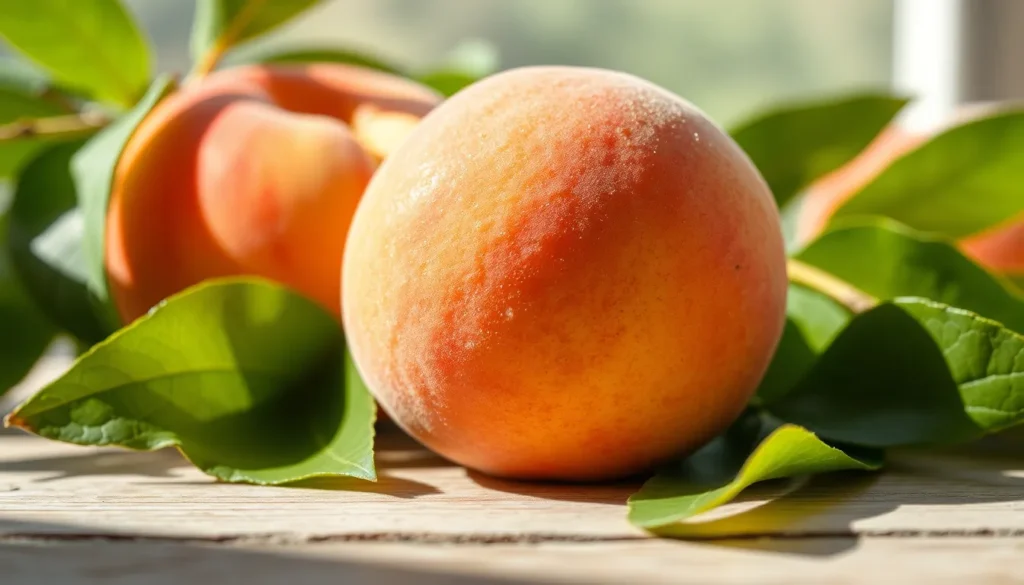
White peaches stand out for their unique qualities, making them a favorite during the summer months. Their gentle sweetness and low acidity contribute to their culinary versatility.
Flavor Profile
White peaches exhibit a delicate sweetness with minimal acidity. The flavor remains mild and fruity, often compared to honey or floral notes. This pleasant taste enhances their appeal for fresh consumption, desserts, and fruit salads. Many find that the subtle sweetness allows them to pair well with other ingredients, providing a refreshing taste without overpowering other flavors.
Texture And Juiciness
White peaches possess a smooth, velvety skin and tender flesh. This soft texture contributes to their juiciness, making them especially pleasurable to eat fresh. The high water content ensures a refreshing bite, ideal for hot summer days. Their tender nature contrasts with the firmer flesh of yellow peaches, allowing for a unique eating experience.
Characteristics Of Yellow Peaches
Yellow peaches possess unique attributes that differentiate them from white peaches. They offer a bolder flavor and distinct texture, making them suitable for various culinary uses.
Flavor Profile
Yellow peaches provide a sweet yet tart flavor. Their richness makes them ideal for both desserts and savory dishes. The tartness balances the sweet notes, creating a complex taste experience. This flavor profile proves excellent for canning, baking, and adding depth to salads.
Texture And Juiciness
Yellow peaches exhibit a firmer flesh compared to their white counterparts. This firmer texture holds up well during cooking and preserves, ensuring they maintain their structure in savory dishes. The juiciness of yellow peaches enhances their appeal, making bites refreshing and satisfying. Their skin is vibrant yellow-orange, contributing to their visual appeal and culinary versatility.
Nutritional Comparison
Both white and yellow peaches contribute valuable nutrients. Each type contains essential vitamins, minerals, and antioxidants that support health.
| Nutrient | White Peach (per 100g) | Yellow Peach (per 100g) |
|---|---|---|
| Calories | 39 | 41 |
| Protein (g) | 0.91 | 0.91 |
| Fat (g) | 0.25 | 0.25 |
| Carbohydrates (g) | 10.06 | 10.06 |
| Sugars (g) | 8.39 | 8.39 |
| Fiber (g) | 1.5 | 1.5 |
| Vitamin C (mg) | 6.6 | 9.5 |
| Vitamin A (IU) | 274 | 489 |
| Potassium (mg) | 190 | 190 |
White peaches provide slightly fewer calories and a lower vitamin A content compared to yellow peaches. Yellow peaches contain more vitamin C, making them beneficial for immune support. Both types offer similar protein, fat, and carbohydrate levels.
Nutritionally, the choice between white and yellow peaches can align with dietary preferences. Selecting one type over the other depends on specific health goals, such as maximizing vitamin intake or enjoying the fruit’s natural sweetness. Both varieties serve as excellent sources of hydration and essential nutrients, making them valuable additions to a balanced diet.
Culinary Uses
Peaches serve various culinary purposes, with distinct applications for white and yellow varieties. Each type lends itself to unique flavors and textures, enhancing different dishes.
Cooking And Baking
Yellow peaches excel in cooking and baking due to their firmer texture and balanced sweetness. Cooks often incorporate yellow peaches into savory dishes like salsas, sauces, and stir-fries. Their slight tartness complements rich proteins, such as pork or duck. In baking, yellow peaches maintain structure in cobblers, pies, and tarts while adding a vibrant flavor.
White peaches, characterized by their tender flesh, perform well in delicate desserts. They’re preferred in recipes like sorbets, panna cotta, and fruit compotes. Chefs appreciate their natural sweetness, which requires minimal added sugar. White peaches can also enhance flavor in salads, adding a subtle, fruity note.
Fresh Consumption
Eating peaches fresh offers a delightful experience. White peaches are ideal for fresh consumption. Their low acidity and sweet flavor make them enjoyable as standalone snacks or in fruit bowls. Often, their juicy flesh pairs well with cheeses and yogurt, creating refreshing summer recipes.
Yellow peaches, while also delicious fresh, tend to be a bit more versatile. Their combination of sweetness and tartness allows them to shine in fruit salads, smoothies, and as toppings for pancakes or waffles. The vibrant skin adds visual appeal, making yellow peaches a popular choice for fresh platters.
Choosing between white and yellow peaches ultimately depends on personal taste and intended use. White peaches offer a delicate sweetness perfect for fresh eating and light desserts. Their smooth texture makes them a refreshing choice during the hot summer months.
On the other hand, yellow peaches bring a bolder flavor with a hint of tartness, making them ideal for savory dishes and baking. Their firmer flesh holds up well in various culinary applications.
Both varieties provide essential nutrients and enhance any dish they’re added to. Whether one prefers the subtle notes of white peaches or the vibrant taste of yellow peaches, both types can elevate summer meals and snacks.