When it comes to roofing materials, the choices can feel as overwhelming as picking a favorite ice cream flavor—there’s just so much out there! From classic shingles to sleek metal, each option has its own charm and quirks. Choosing the right material can make or break your home’s aesthetic and durability, not to mention your wallet’s happiness.
Imagine your roof as the hat of your house. You wouldn’t wear a sunhat in a snowstorm, right? The right roofing material not only protects your home but also boosts its curb appeal. So whether you’re a DIY enthusiast or prefer to leave it to the pros, understanding the ins and outs of roofing options is key. Let’s dive into the world of roofing materials and find the perfect fit for your home sweet home.
Overview of Roofing Materials
Roofing materials vary significantly in composition, appearance, and effectiveness. Asphalt shingles dominate the market due to their affordability, ease of installation, and wide color options. Metal roofing offers durability and resistance to extreme weather, making it an appealing choice for many homeowners. Wood shakes and shingles provide a natural aesthetic, but they require regular maintenance to prevent rot or insect damage.
Concrete tiles stand out for their long lifespan and ability to withstand harsh conditions. Slate, while more expensive, delivers unmatched elegance and durability. Choosing a roofing material also relies on local climate conditions, as some materials perform better in specific environments.
Environmental impact is an essential consideration. Many homeowners opt for sustainable materials, such as recycled metal or solar tiles, to reduce their carbon footprint. Understanding the benefits and drawbacks of each material simplifies informed decision-making.
Different regions have specific guidelines and building codes affecting material selection. A local contractor can provide valuable insights into suitable options based on geographical conditions. Investing time in researching roofing materials leads to better understanding and eventual satisfaction with the final choice.
Price points for various materials range widely. Asphalt shingles may start around $90 per square, while metal roofing can range from $300 to $600 per square. Upfront costs often reflect the long-term benefits, such as energy efficiency and maintenance requirements.
Selecting roofing materials requires careful consideration of aesthetics, durability, climate suitability, and cost. Exploring each option allows homeowners to choose a roof that enhances their property’s value and appearance.
Types of Roofing Materials
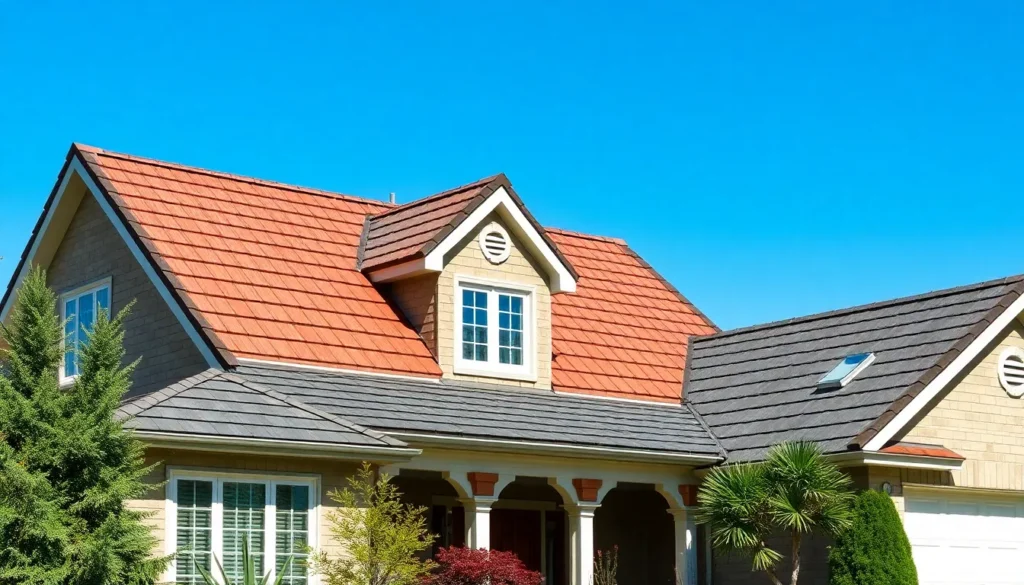
Roofing materials come in many varieties, each offering unique benefits. Understanding them helps in making informed choices.
Asphalt Shingles
Asphalt shingles remain the most common roofing choice due to affordability and ease of installation. They typically last 20 to 30 years, providing reliable protection against the elements. Available in various colors and styles, these shingles enhance a home’s aesthetic appeal. Manufacturers often produce them with fiberglass or organic materials, ensuring durability and flexibility. Maintenance is minimal, making asphalt shingles attractive for homeowners.
Metal Roofing
Metal roofing stands out for its durability and longevity, often lasting 40 to 70 years. Available in materials like steel, aluminum, and copper, metal roofs offer impressive resilience to extreme weather conditions. Their lightweight nature allows for easy installation, requiring fewer structural adjustments. Various finishes and colors enable homeowners to customize their appearance, matching unique styles. Additionally, metal roofs reflect solar heat, improving energy efficiency in homes.
Tile Roofing
Tile roofing includes options such as clay and concrete tiles, known for their longevity and aesthetic charm. Both types can last over 50 years with proper maintenance, offering excellent protection against fire and extreme weather. Weighty and durable, these roofs require additional structural support for installation. Available in vibrant colors and various shapes, tile roofs add significant curb appeal. They also provide natural insulation, contributing to energy efficiency.
Slate Roofing
Slate roofing offers distinct elegance and unsurpassed durability, often exceeding 100 years in lifespan. Its natural stone composition provides a unique, luxurious appearance that elevates a home’s character. Although installation can be costly, the long-term investment and low maintenance expenses justify the price. Available in various colors and thicknesses, slate can suit different architectural styles. Homeowners benefit from its fire-resistant properties, ensuring safety and longevity.
Factors to Consider When Choosing Roofing Materials
Selecting roofing materials requires attention to several key factors that affect performance and appearance. Homeowners must consider durability, cost, energy efficiency, and aesthetic appeal for the most suitable choice.
Durability
Durability varies significantly among roofing materials. Asphalt shingles typically last 20 to 30 years while metal roofs often extend lifespan to 40 to 70 years. Tile roofing offers excellent longevity, often exceeding 50 years. In contrast, slate roofing stands out for its remarkable lifespan, often surpassing 100 years. Understanding the local climate can help determine the best durable option that withstands specific weather conditions, ensuring longevity and minimal maintenance.
Cost
Cost plays a crucial role in selecting roofing materials. Asphalt shingles usually rank as the most affordable option, making them appealing for budget-conscious homeowners. Metal roofing, while more expensive upfront, often provides long-term savings due to longevity and lower maintenance costs. Tile and slate roofing represent premium choices, with higher initial investments offering exceptional durability and aesthetic benefits. Comparing material prices and considering long-term value can lead to a more informed decision that aligns with budget constraints.
Energy Efficiency
Energy efficiency is an essential consideration in roof selection. Metal roofing is known for its ability to reflect solar heat, contributing to lower cooling costs. Asphalt shingles offer varied efficiencies, with some products designed specifically for energy savings. Tile roofing excels in thermal performance, helping maintain steady indoor temperatures. Homeowners might also explore solar tiles as a sustainable option, combining energy generation with traditional roofing functions. Prioritizing energy efficiency enhances comfort while potentially lowering utility bills.
Aesthetic Appeal
Aesthetic appeal influences many homeowners’ choices for roofing materials. Asphalt shingles provide versatility, available in various colors and styles to match any home design. Metal roofing showcases a contemporary look, often offered in a range of finishes. Tile roofing, whether clay or concrete, delivers a distinct, textured appearance that enhances a home’s character. Slate roofing is renowned for its elegant, natural beauty, making it ideal for upscale settings. Addressing aesthetic preferences alongside other factors ensures that the chosen roofing material complements the home’s overall style and increases property value.
Installation and Maintenance
Installation and maintenance play crucial roles in optimizing the lifespan and performance of roofing materials. Understanding these processes is essential for homeowners.
DIY Installation Tips
Selecting the right tools simplifies roof installation. Start with safety gear like gloves and goggles to reduce the risk of injury. Following manufacturer guidelines ensures proper installation techniques. Additionally, measuring and cutting materials accurately can prevent costly mistakes. Working in dry weather improves adhesion and minimizes complications. Enlist help for lifting heavy materials and navigating steep pitches, reducing strain and increasing efficiency. Finally, double-checking each step guarantees a secure and long-lasting roof.
Professional Installation Considerations
Hiring a qualified contractor enhances the installation experience. References and reviews help identify reputable professionals. Licensing and insurance provide protection against mishaps during the project. Moreover, obtaining multiple estimates allows for informed decision-making regarding pricing and services. Professionals bring experience that can detect and address underlying issues, ensuring the roof’s integrity. They also manage local building codes and permits, streamlining the installation process. Communication with the contractor sets clear expectations and timelines, ensuring smooth project execution.
Maintenance Guidelines
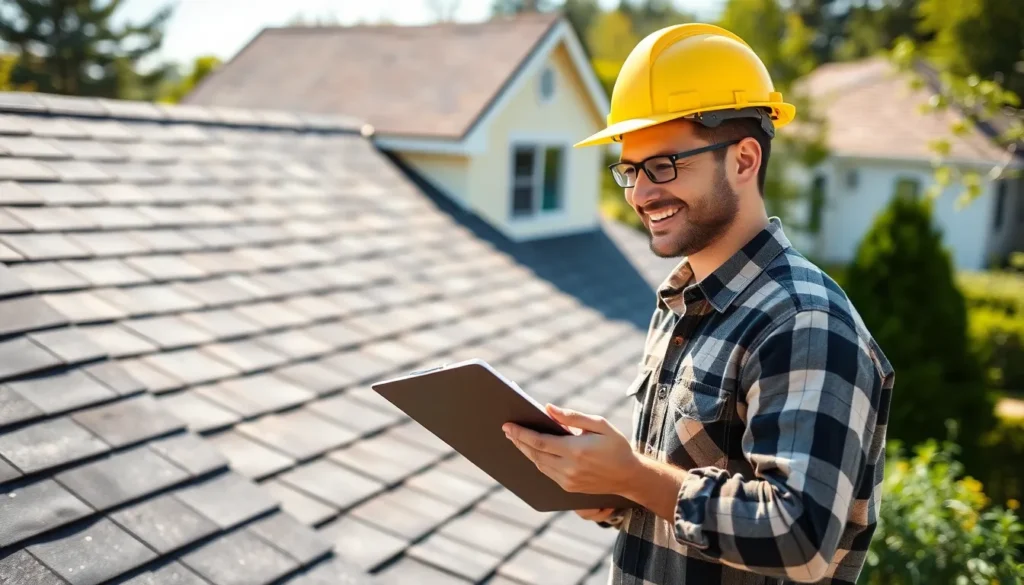
Regular inspection keeps roofs in optimal condition. Schedule checks at least twice a year, ideally in spring and fall. Inspect for damaged shingles or tiles early to prevent leaks. Cleaning gutters regularly prevents water buildup and reduces the risk of roof damage. Additionally, removing debris from the roof helps maintain its integrity. Applying sealants can extend the life of joints and flashing, increasing overall durability. Keeping trees trimmed prevents branches from causing damage during storms, ensuring the roof remains protected.
Choosing the right roofing material is essential for enhancing a home’s aesthetic and ensuring long-lasting protection. With options ranging from affordable asphalt shingles to elegant slate roofing, homeowners have a variety of choices to fit their needs and budget. Understanding the unique benefits of each material can lead to informed decisions that align with local climate conditions and personal style.
Proper installation and regular maintenance play crucial roles in maximizing the lifespan and performance of any roofing system. By prioritizing these factors, homeowners can enjoy a beautiful and durable roof for years to come. Ultimately, investing time and resources into selecting and maintaining the right roofing material pays off in both value and peace of mind.